
Japan Trip Cost: Complete Budget Guide for 2027
Wondering how much a trip to Japan costs? Whether you’re backpacking through Kyoto, planning your first Tokyo adventure, or treating yourself to a luxury ryokan, this complete Japan trip cost guide breaks down every major expense so you can budget confidently and avoid expensive surprises.
Before we get into individual expenses, here’s the short answer: your Japan trip cost can range from roughly $90 per person per day for budget travel to $450+ for a luxury trip, excluding international flights.
Planning a Trip to Japan? Let’s Talk About the Real Cost of Traveling.
If you’ve been dreaming about wandering beneath cherry blossoms, watching the neon lights of Tokyo come alive after sunset, soaking in a steaming onsen surrounded by mountains, or slurping a bowl of ramen in a tiny restaurant where no one speaks English—you’ve probably asked yourself one big question:
“Can I actually afford a trip to Japan?” The short answer? Yes. The longer answer is a little more interesting.
Japan has a reputation for being one of the most expensive countries in the world. For that reason, many travelers still imagine sky-high hotel prices, overpriced meals, and train tickets that drain your travel budget before the trip even begins. However, that reputation isn’t entirely fair anymore.
In fact, Japan can be surprisingly affordable—or wonderfully luxurious—depending on how you choose to travel.
We’ve met travelers who explored Japan comfortably on a modest budget, and others who happily spent thousands of dollars chasing Michelin-star restaurants, private ryokans, and once-in-a-lifetime experiences. However, neither approach is wrong. Japan is one of those rare destinations that truly rewards every kind of traveler.
That’s exactly why creating a realistic budget can feel overwhelming. For example, one website tells you Japan costs $80 a day, while another insists you need $400. So… who’s right? Honestly? In a way, they both are.
After all, the real question isn’t:
“How much does Japan cost?”
Instead, the better question is:
“How much will my trip to Japan cost?”
And that’s what we’re going to figure out together. By the end of this guide, you’ll know exactly how much to budget for:
- Accommodation
- Food and drinks
- Transportation
- Attractions
- Shopping
- Hidden expenses many travelers forget
- The total cost of a 7-10-14 day trip
We’ll also share practical money-saving tips that won’t make you feel like you’re sacrificing the experience you’ve been dreaming about. More importantly, these tips can help you spend less without making your trip feel restrictive. After all, traveling on a budget doesn’t have to mean missing out.
In fact, sometimes the most memorable moments in Japan cost almost nothing at all. You could watch the sunrise at Fushimi Inari before the crowds arrive, find a quiet neighborhood café in Osaka, stumble across a tiny family-run sushi restaurant with no English menu, or walk through bamboo forests while the morning mist still hangs in the air. Those moments don’t show up on your credit card statement—but they’re often the ones you’ll remember long after you return home.
So grab your favorite coffee, open your notes app, and let’s build a Japan budget that works for your travel style.
How Much Does a Trip to Japan Cost at a Glance?
If you’re in a hurry, here’s the quick answer.
|
Travel Style |
Average Daily Budget (per person) |
10-Day Trip |
14-Day Trip |
|---|---|---|---|
|
Budget |
$90–140 |
$900–1,400 |
$1,260–1,960 |
|
Comfortable Mid-Range |
$200–300 |
$2,000–3,000 |
$2,800–4,200 |
|
Luxury |
$450+ |
$4,500+ |
$6,300+ |
These Japan trip cost estimates exclude international flights because airfare varies dramatically depending on where you’re flying from, when you book, and the airline you choose.
At a Glance
|
💴 Currency |
Japanese Yen (JPY) |
|---|---|
|
📅 Ideal Trip Length |
10–14 days |
|
💰 Average Budget |
$2,000–3,000 per person (excluding flights) |
|
🚅 Biggest Expense |
Accommodation |
|
🍜 Cheapest Daily Expense |
Food (excellent quality for the price) |
|
💳 Card Friendly? |
Yes, though carrying some cash is still recommended |
|
💡 Biggest Money Saver |
Choosing accommodations near public transportation and planning your long-distance train travel wisely |
Is a Trip to Japan Really Expensive?
Let’s clear up one of the biggest myths in travel. Japan isn’t cheap. However, it’s also not the wallet-destroying destination many people imagine. The truth is that Japan offers exceptional value for the money you spend. In other words, what you pay often feels reasonable compared with the quality you receive. Think about it this way: a hotel room in central Tokyo may cost less than a similar room in New York, London, Zurich, or even parts of California.
For example, a fresh bowl of ramen often costs less than a fast-food combo meal in many major U.S. cities. In addition, public transportation is incredibly efficient, safe, and reliable, so you rarely need to rely on expensive taxis or rental cars. Clean streets, excellent public bathrooms, punctual trains, and outstanding customer service are simply part of everyday life—not luxury upgrades.
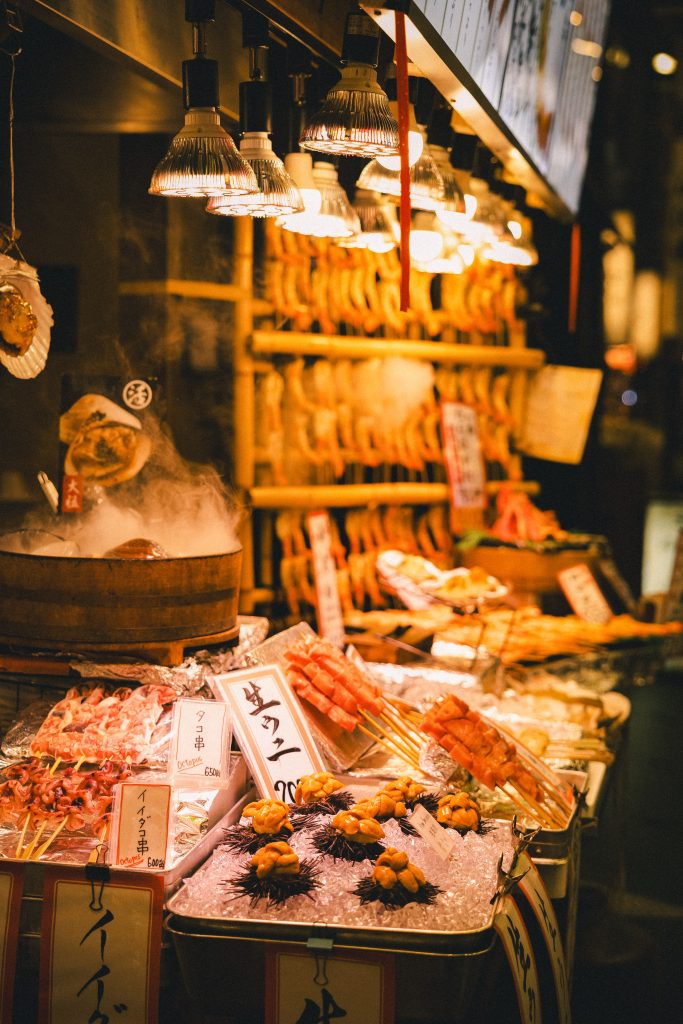
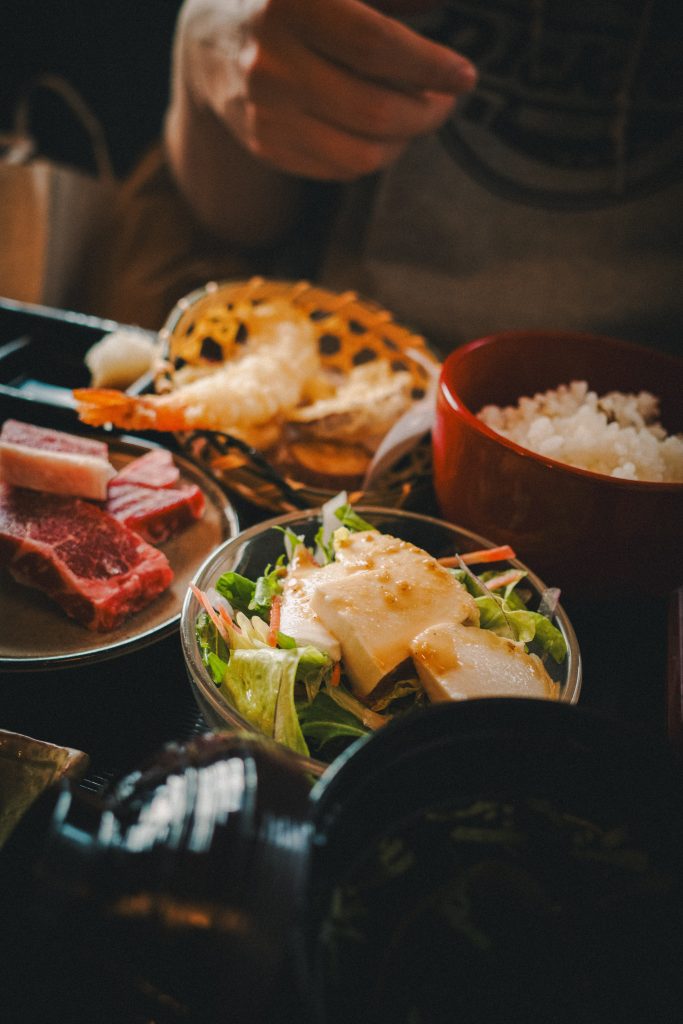
When you compare what you’re paying to what you’re receiving, Japan often feels like a bargain. To put that into perspective, here’s how it compares to other popular destinations.
|
Destination |
Overall Budget Level |
|---|---|
|
Thailand |
$ |
|
Vietnam |
$ |
|
Portugal |
$$ |
|
South Korea |
$$ |
|
Japan |
$$ |
|
Italy |
$$$ |
|
France |
$$$ |
|
Switzerland |
$$$$ |
Where Travelers Usually Overspend in Japan
If you’ve already traveled through Western Europe, Japan probably won’t feel dramatically more expensive. In fact, many travelers are pleasantly surprised that they spend less than they expected. Where people usually overspend isn’t on food or transportation. It’s this:
- Booking hotels in premium neighborhoods without comparing nearby areas.
- Taking unnecessary taxis instead of trains.
- Shopping without setting a budget.
- Visiting during peak cherry blossom or autumn foliage seasons when accommodation prices are at their highest.
Fortunately, with a little planning, it’s entirely possible to enjoy an unforgettable trip to Japan without stretching your finances beyond what’s comfortable.
Where Does Your Japan Trip Cost Come From?
First, one of the easiest ways to stay on budget is to understand where your money is likely to go before you even arrive. Many first-time visitors assume transportation will be their biggest expense because Japan is famous for its bullet trains. Others think they’ll spend the most on sushi and wagyu beef.
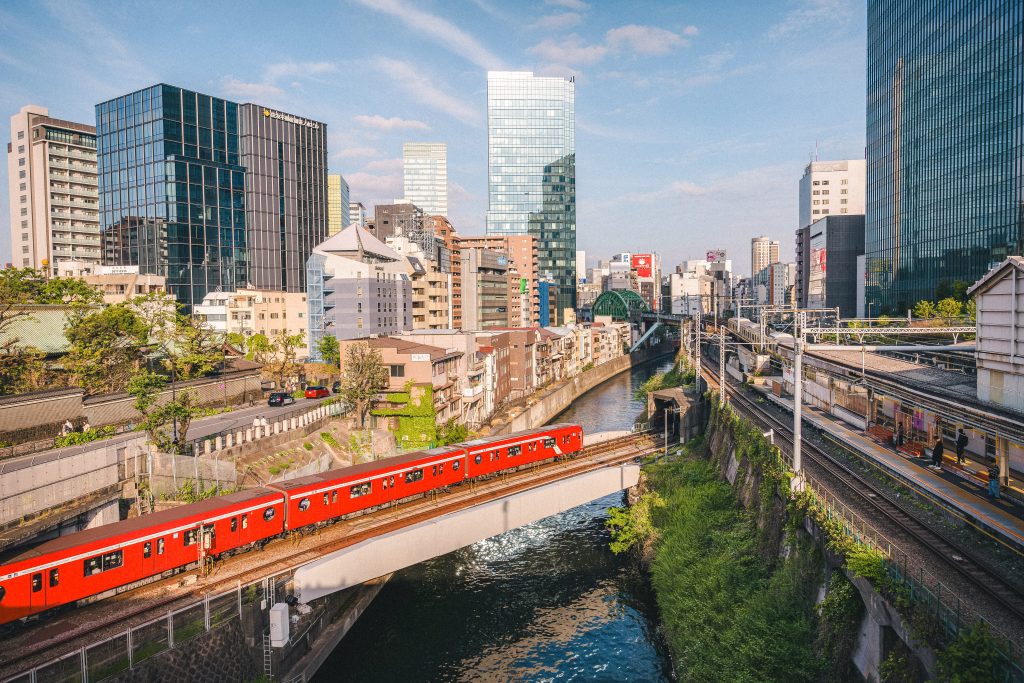
In reality, neither is usually true. Instead, for most travelers, accommodation quietly becomes the largest part of the budget. Fortunately, that’s actually good news. It means you have more control over your total trip cost than you might think.
For example, choosing a hotel just two or three train stops away from a major tourist district can save hundreds of dollars over the course of your trip—without sacrificing convenience. Here’s what a typical mid-range travel budget looks like.
|
Expense Category |
Approximate Share of Your Budget |
|---|---|
|
🏨 Accommodation |
40% |
|
🍣 Food & Drinks |
20% |
|
🚅 Transportation |
15% |
|
🎟 Attractions |
15% |
|
🛍 Shopping & Souvenirs |
5% |
|
💳 Miscellaneous |
5% |
The takeaway? Don’t stress if your ramen costs $9 instead of $12. Instead, focus on the bigger decisions that truly shape your budget:
- Where you’ll stay.
- How often you’ll move between cities.
- Whether you’ll include premium experiences like a ryokan stay or a theme park visit.
- How much shopping you realistically plan to do.
Those choices will have a far greater impact on your total trip cost than skipping a dessert or an extra cup of coffee. And that’s one of the best things about planning a trip to Japan. You don’t need to cut out the experiences that make the journey unforgettable. You just need to know where to spend intentionally and where to save wisely.
Next up: We’ll dive into the biggest part of almost every Japan travel budget—accommodation. From capsule hotels and business hotels to traditional ryokans and luxury stays, we’ll help you decide where your money is best spent and where you can comfortably save.
Accommodation Costs in Japan: Where You Stay Will Shape Your Entire Budget
If there’s one part of your Japan budget that’s worth thinking through carefully, it’s your accommodation. That’s not because Japan is outrageously expensive, but rather because where you stay matters just as much as what you book.
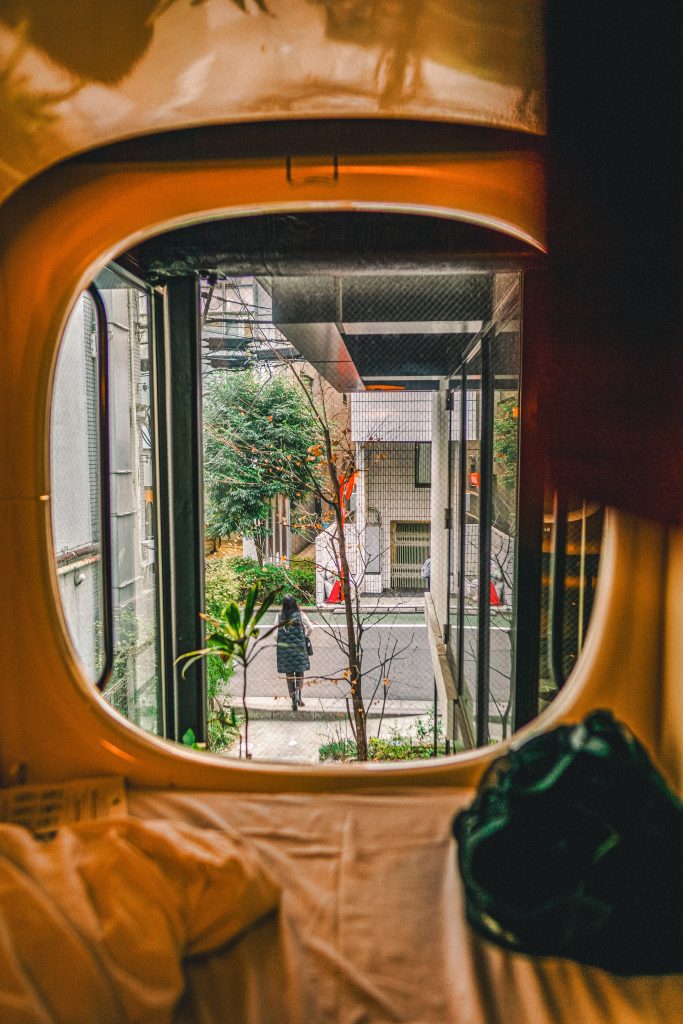
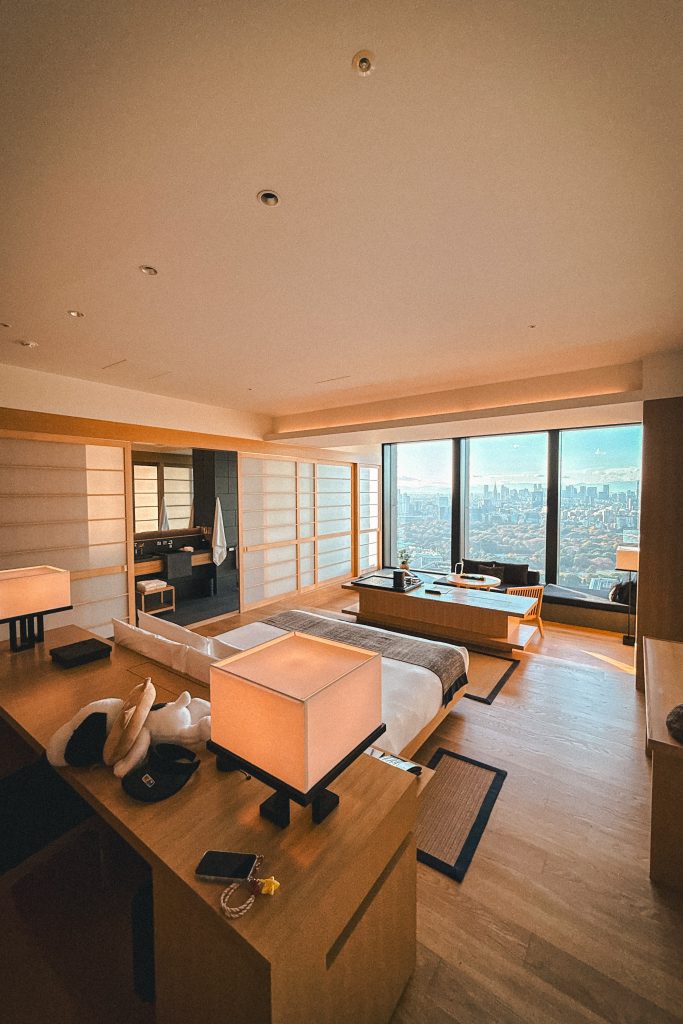
Many first-time visitors make the mistake of searching for the cheapest hotel they can find. At first glance, saving $30 or $40 a night sounds like a smart decision. However, the cheapest option isn’t always the best value. However, they may soon realize they’re spending an extra hour commuting every day, paying more for transportation, or missing out on those magical early mornings and late-night walks that make Japan so unforgettable. Sometimes, spending a little more on the right location actually saves you money—and gives you a much better travel experience.
For that reason, our advice is simple: prioritize convenience over luxury.
Being within a 5–10 minute walk of a major train or subway station is often worth far more than having a slightly larger room. You’ll thank yourself after walking 20,000 steps through Tokyo or Kyoto.
Average Accommodation Costs for a Japan Trip (Per Night)
|
Accommodation Type |
Average Price (Per Night) |
Best For |
|---|---|---|
|
Hostel Dorm |
$25–50 |
Backpackers & solo travelers |
|
Capsule Hotel |
$30–70 |
Solo travelers looking for a unique experience |
|
Budget Business Hotel |
$70–120 |
Couples & budget-conscious travelers |
|
Mid-Range Hotel |
$120–220 |
Most first-time visitors |
|
Traditional Ryokan |
$180–500+ |
Special occasions & cultural experiences |
|
Luxury Hotel |
$350–1,000+ |
Luxury travelers |
Prices vary depending on the season, city, and how far in advance you book.
Hostels: Budget-Friendly Without Sacrificing Comfort
If you’ve never stayed in a hostel before, Japan is honestly one of the best places in the world to try one. However, forget the image of noisy dorm rooms and questionable bathrooms. Japanese hostels are often spotless, thoughtfully designed, and surprisingly quiet. Many offer privacy curtains, secure lockers, comfortable common areas, and modern facilities that rival some hotels.
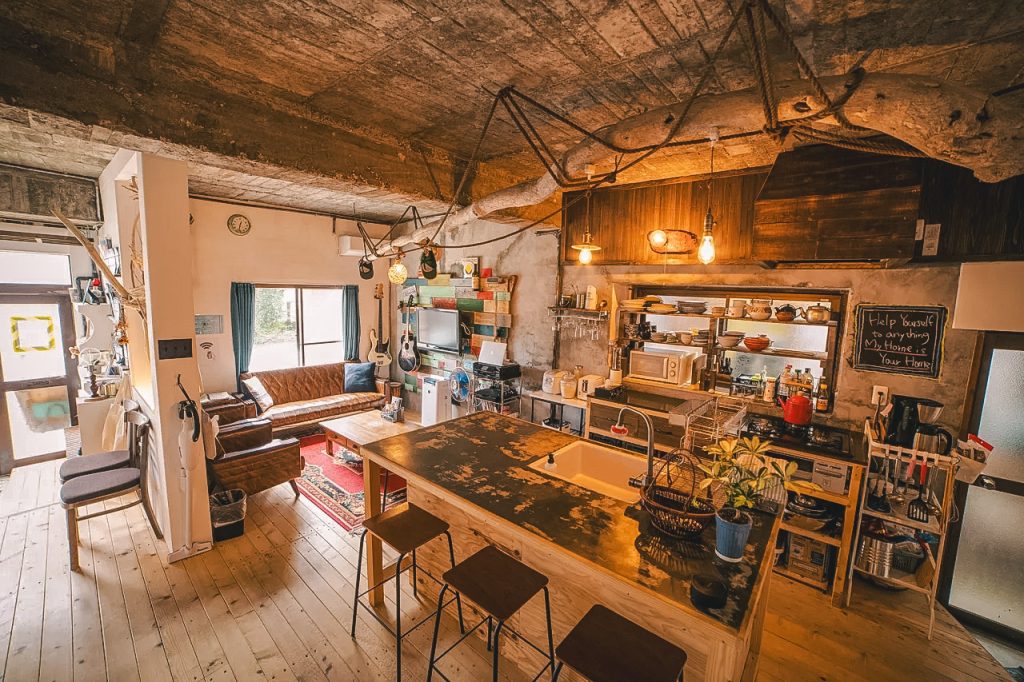
They’re especially great if you’re traveling solo and want to meet other travelers.
Best for
- Solo travelers
- Backpackers
- Long-term travelers
Expect to spend
Around $25–50 per night.
Capsule Hotels: A Unique Way to Reduce Your Japan Trip Cost
Sleeping in a capsule hotel is one of those experiences people either absolutely love—or decide they’ve checked off the bucket list after one night. Despite the name, they’re far more comfortable than they look.
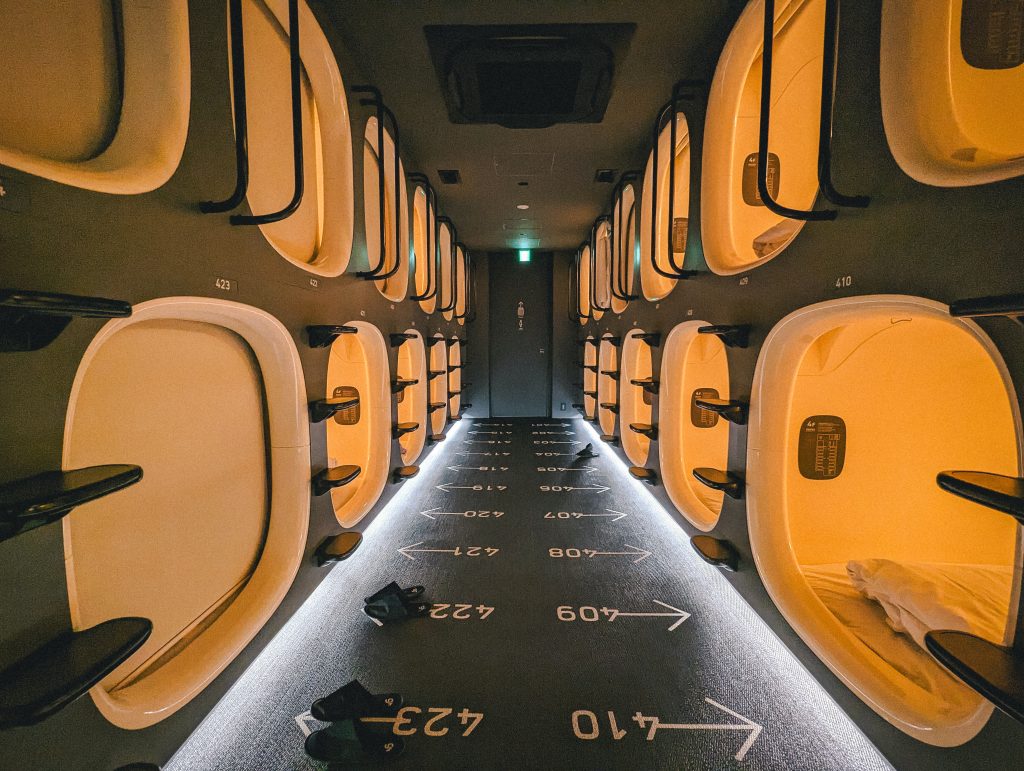
Each capsule typically includes a comfortable mattress, reading light, charging ports, air conditioning, and enough room to sit up and organize your belongings. Some even have luxury lounges, public baths, and stylish interiors.
Would we recommend spending your entire trip in one? Probably not. However, staying for one night is a fun way to experience something uniquely Japanese.
Best for
- Solo travelers
- Curious first-time visitors
- Short city stays
Expect to spend
Around $30–70 per night.
Business Hotels: The Best Value for Most Japan Travelers
If we had to recommend one accommodation type to first-time visitors, this would be it. After all, business hotels offer one of the best combinations of comfort, convenience, and affordability.
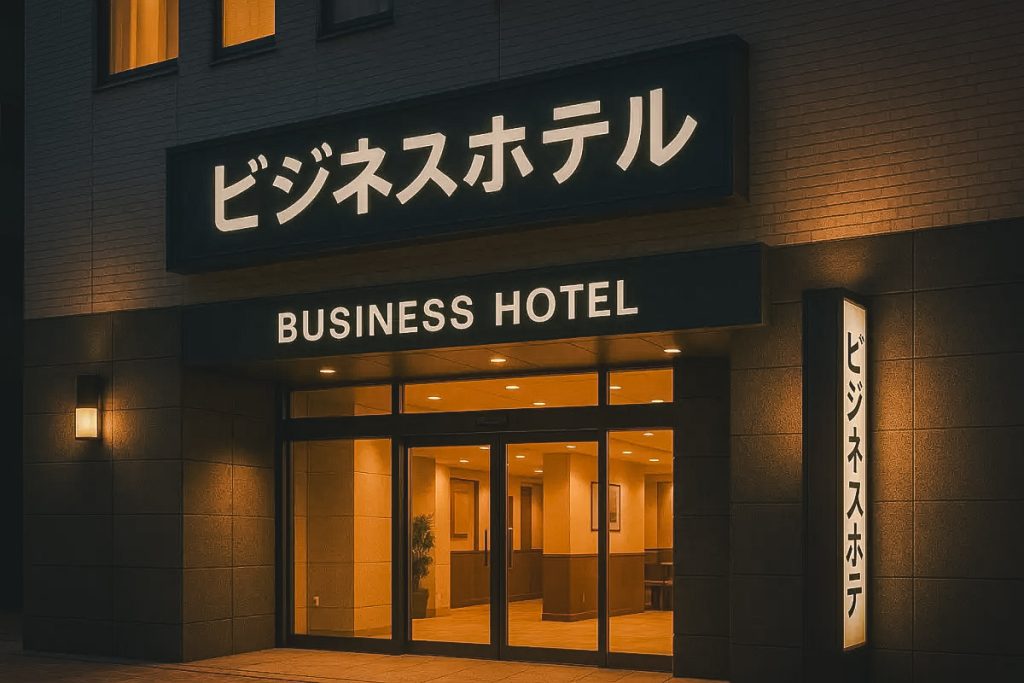
Business hotels are exactly what they sound like—hotels originally designed for Japanese business travelers. They’re clean, efficient, comfortable, usually located near train stations, and surprisingly affordable. The rooms are compact, but that’s part of traveling in Japan. You’re probably not flying halfway across the world to spend your afternoons sitting in a hotel room.
Instead, you’ll have everything you actually need:
- Comfortable bed
- Private bathroom
- Wi-Fi
- Air conditioning
- Laundry facilities in many hotels
- Often complimentary toiletries
Best for:
- Couples
- Friends traveling together
- First-time visitors
Expect to spend:
Around $70–120 per night.
Mid-Range Hotels: The Best Balance Between Comfort and Japan Trip Cost
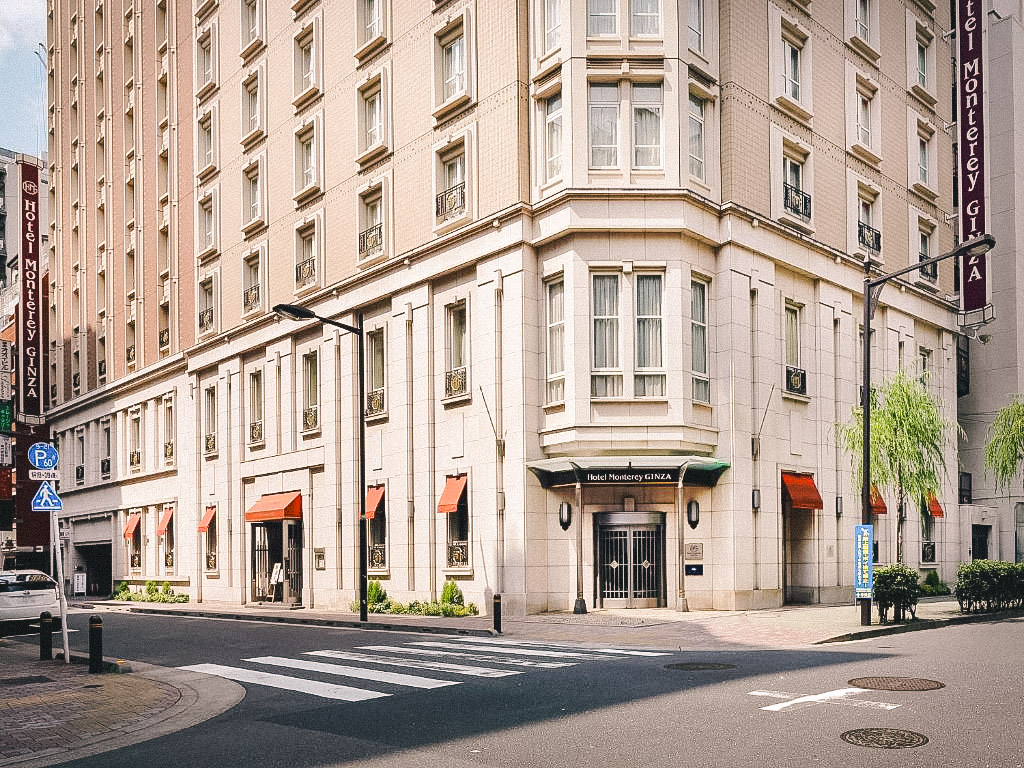
After long sightseeing days, having a comfortable place to recharge can make a noticeable difference to your overall trip. If your budget allows, this is where we think most travelers will find the best value. You’ll typically enjoy:
- Larger rooms
- Better locations
- More comfortable beds
- Breakfast options
- Better soundproofing
- Additional amenities
Best for:
- Couples
- Families
- Travelers celebrating a special occasion
Expect to spend:
Around $120–220 per night.
Traditional Ryokans: The Splurge You’ll Never Forget
If there’s one experience we believe is worth saving for, it’s spending a night in a traditional Japanese ryokan.
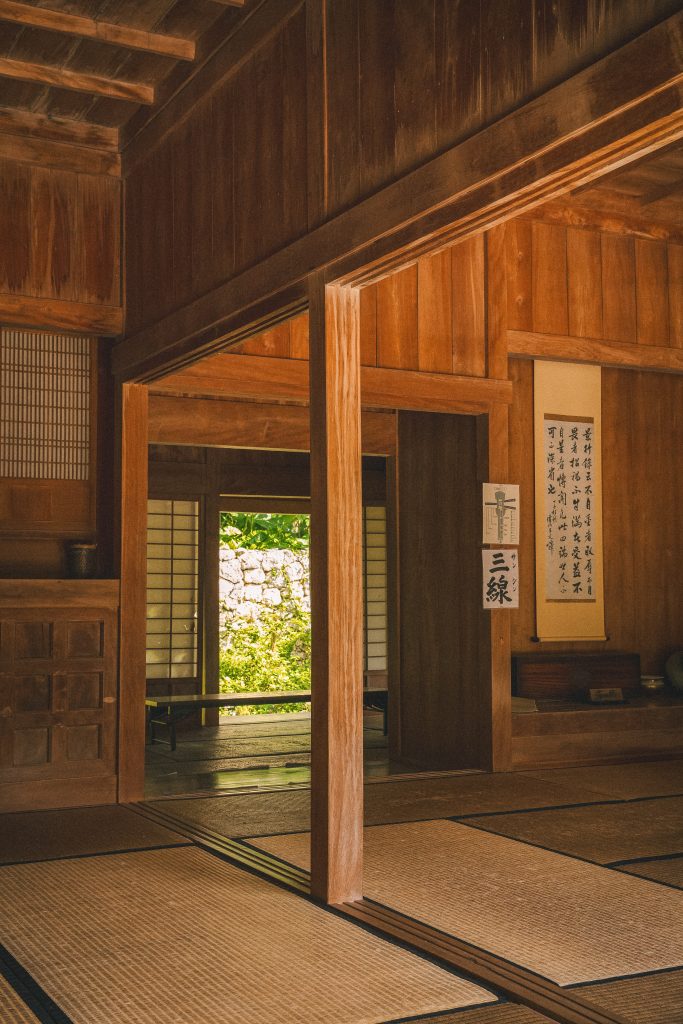
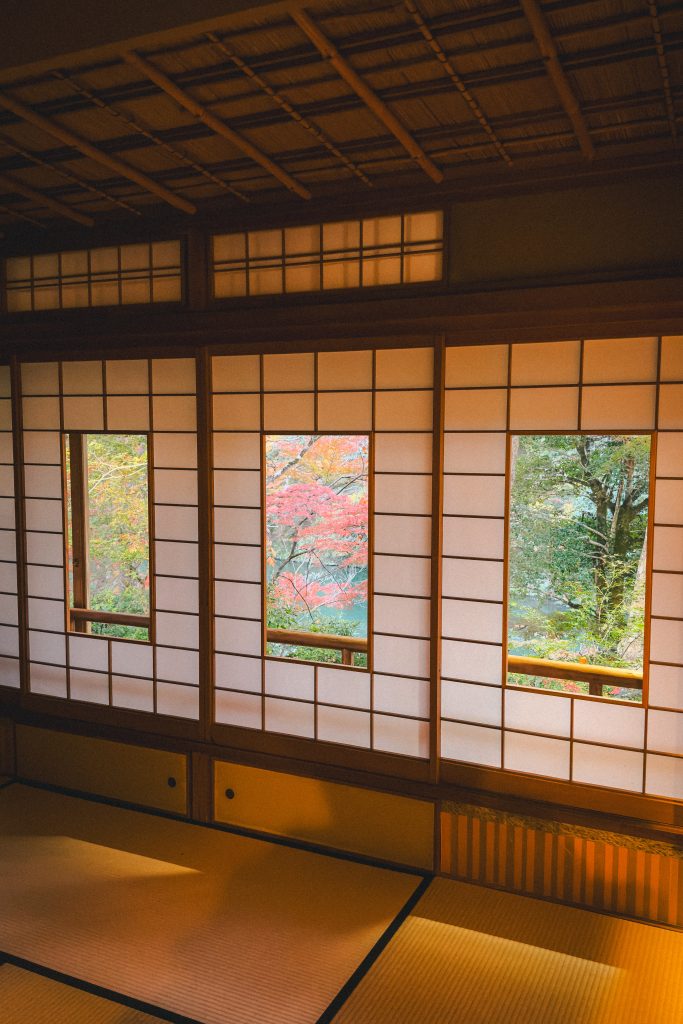
Imagine slipping off your shoes at the entrance. Walking across tatami mats. Sleeping on a futon. Soaking in a natural hot spring. Enjoying a beautifully prepared multi-course kaiseki dinner made with seasonal ingredients. Watching the mountains outside your window while sipping green tea.
It’s not just a place to sleep. Instead, it’s part of the journey. Many travelers say their ryokan stay becomes one of their favorite memories of Japan.
Our recommendation? Instead of staying in a ryokan every night, book one unforgettable night during your trip. You’ll enjoy the experience without stretching your budget too far.
Best for:
- Couples
- Honeymoons
- Anniversary trips
- Travelers seeking cultural experiences
Expect to spend:
Around $180–500+ per night, often including breakfast and dinner.
Luxury Hotels in Japan
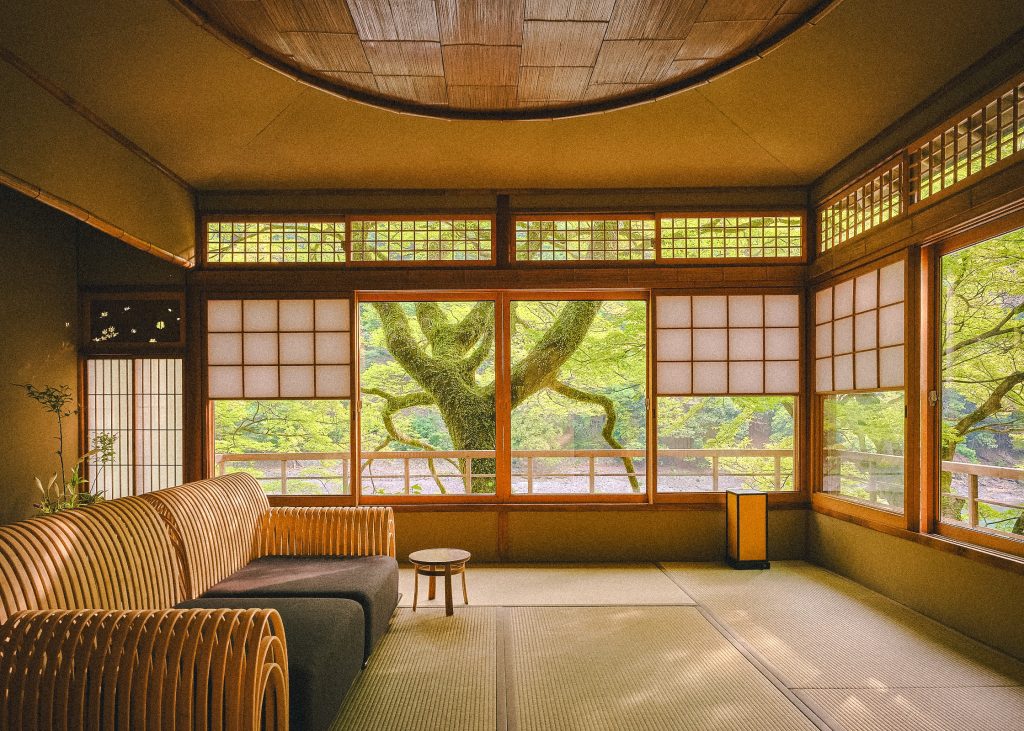
Japan offers some of the finest luxury hotels in the world. From skyline views in Tokyo to peaceful mountain retreats overlooking forests and hot springs, luxury here is less about showing off and more about exceptional hospitality. If luxury travel is your style, you’ll have no shortage of incredible options.
Expect to spend:
$350–1,000+ per night.
Our Accommodation Recommendation
If you’re visiting Japan for the first time, we’d recommend:
- Staying in business or mid-range hotels for most of your trip.
- Choosing accommodations within walking distance of a train station.
- Treating yourself to one night in a traditional ryokan if your budget allows.
Ultimately, it’s this combination that offers the best balance between comfort, convenience, and unforgettable experiences.
How Much Does Food Cost on a Japan Trip? One of the Country’s Greatest Surprises
Let’s talk about one of the happiest surprises waiting for you in Japan: the food. Not only is it delicious, but it’s also far more affordable than many people expect.
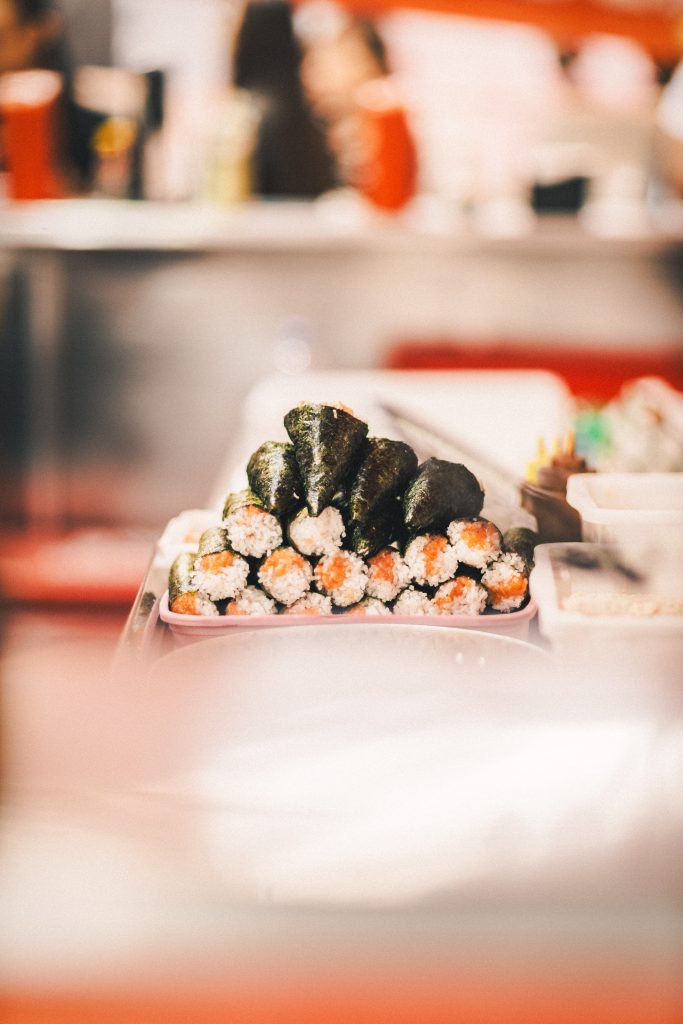
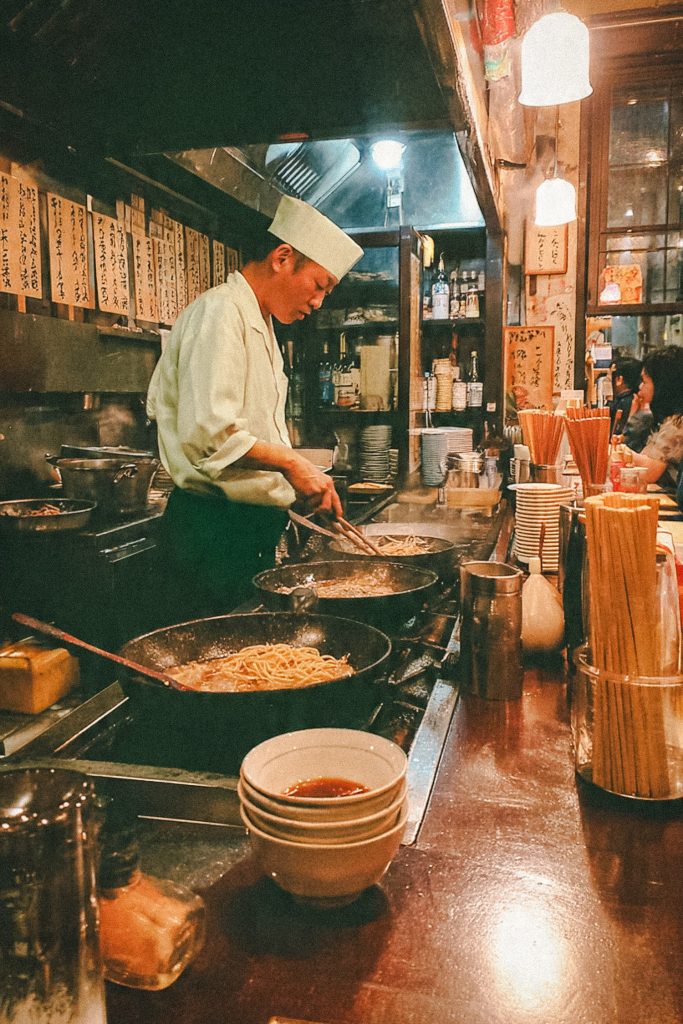
One of the biggest myths about Japan is that you’ll need to spend a fortune to eat well. In reality, some of the most memorable meals you’ll have might cost less than lunch back home. For example, tiny ramen shops and neighborhood restaurants can offer incredible meals without the high prices you might expect. Fresh sushi from neighborhood restaurants. Convenience store sandwiches that somehow taste better than they have any right to. Warm melon bread from a bakery you happened to walk past.
Fortunately, Japan is one of those places where you don’t have to chase expensive restaurants to eat incredibly well. Sometimes, the place with the longest line and the smallest sign ends up serving the best meal of your trip.
Average Food Prices in Japan
|
Item |
Average Price |
|---|---|
|
Convenience Store Breakfast |
$3–7 |
|
Coffee |
$3–6 |
|
Ramen |
$7–12 |
|
Donburi Bowl |
$6–10 |
|
Sushi Meal |
$12–30 |
|
Izakaya Dinner |
$20–45 |
|
Fine Dining |
$100+ |
What Does Food Cost Per Day in Japan?
For example, let’s imagine a comfortable sightseeing day in Tokyo.
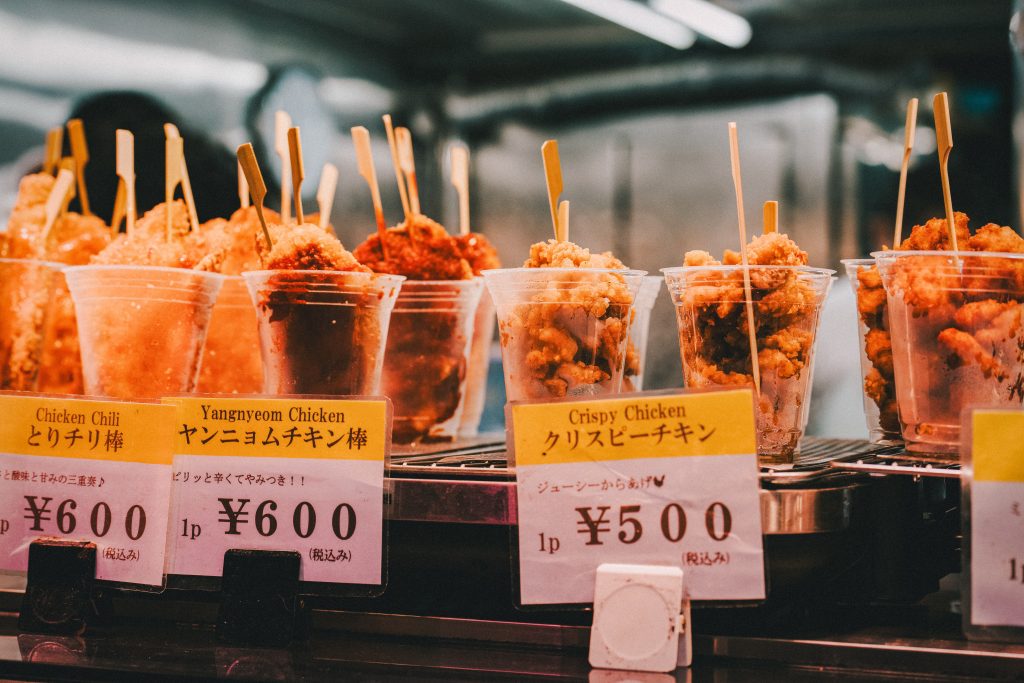
Breakfast from a convenience store: Fresh sandwich, yogurt, and coffee. Around $6.
For lunch, you might have a steaming bowl of ramen with gyoza. Around $12.
Later in the afternoon, you could grab matcha ice cream or taiyaki for around $4.
Finally, dinner might be sushi or an izakaya with a drink. Around $30.
Total food budget: Approximately $50–55 for the entire day. And if you’re happy to eat more casually, you could easily spend much less.
Why You Shouldn’t Skip Japan’s Convenience Stores
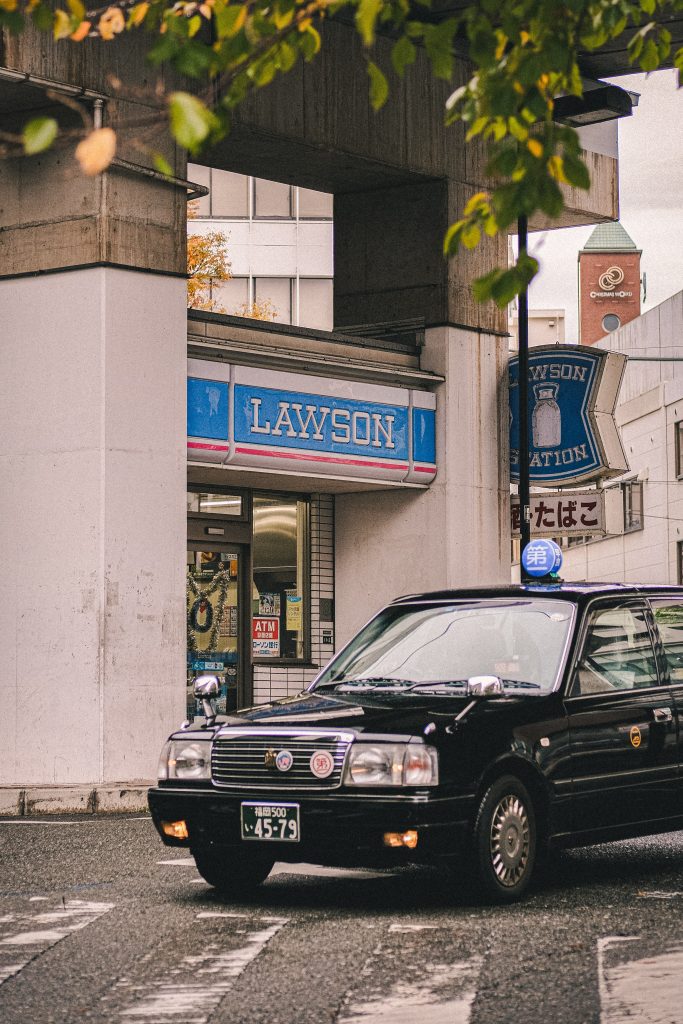
This might sound strange if you’ve never visited Japan. Some of your favorite meals could come from a convenience store. Chains like 7-Eleven, FamilyMart, and Lawson are famous among travelers for a reason: Fresh rice balls, bento boxes, egg sandwiches, desserts, coffee, and even surprisingly good fried chicken.
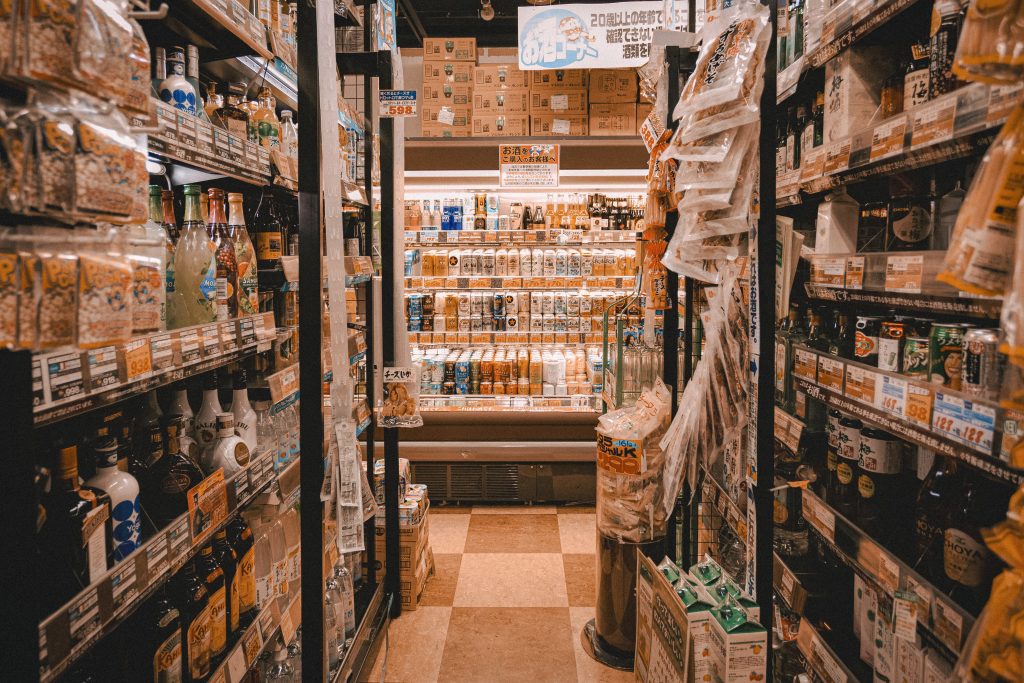
They’re affordable, consistently delicious, and, most importantly, perfect for early train rides or busy sightseeing days. Don’t think of them as a last resort. Think of them as part of the experience.
Our Recommendation
Budget around $40–60 per person per day for food if you want a comfortable mix of casual restaurants, local specialties, snacks, and the occasional nicer dinner. You’ll eat incredibly well without feeling restricted.
Average Transportation Costs for a Japan Trip: Expensive? Not Exactly.
Japan’s transportation system has an almost legendary reputation. The trains are famously clean, they arrive on time, they’re easy to navigate once you understand the basics, and they connect nearly every corner of the country.
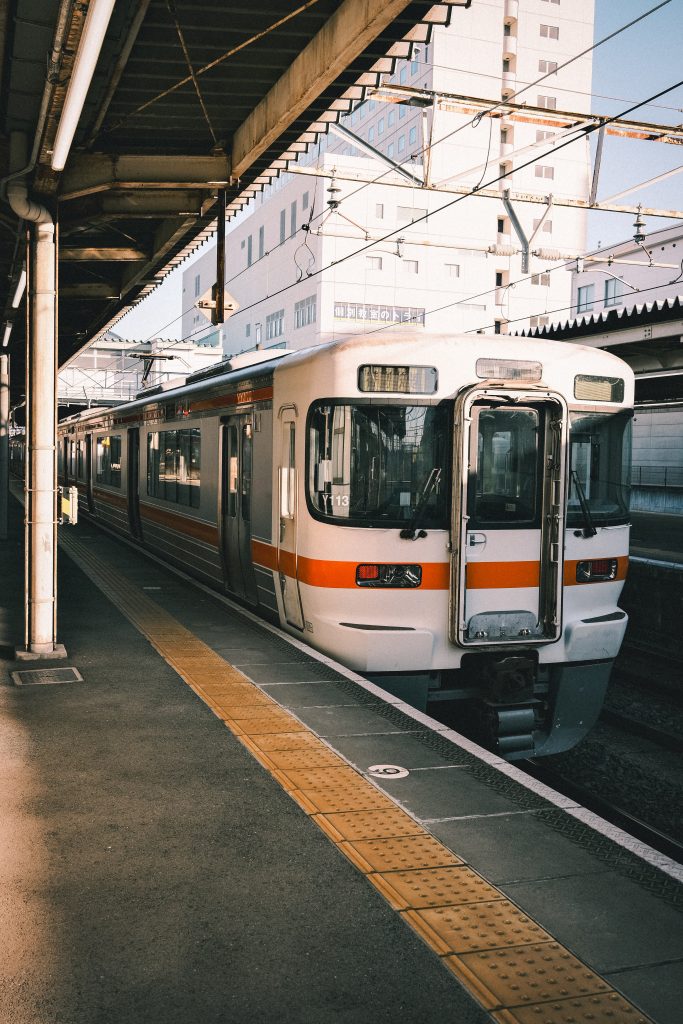
However, they’re also one of the biggest sources of confusion for first-time visitors. Do you need the Japan Rail Pass? Should you take the Shinkansen? Is a taxi ever worth it?
The answer depends entirely on your itinerary. And that’s good news—because it means you don’t have to spend more than necessary.
Average Transportation Costs in Japan
|
Transportation |
Typical Cost |
|---|---|
|
Subway Ride |
$1.50–3 |
|
City Bus |
$1.50–3 |
|
Taxi (Short Ride) |
$8–20 |
|
Shinkansen (Tokyo–Kyoto) |
Around $90–110 one way |
|
IC Card Deposit |
Around $3–4 |
Is the Japan Rail Pass Worth It?
This is one of the most common questions travelers ask. And the honest answer is… Not always.
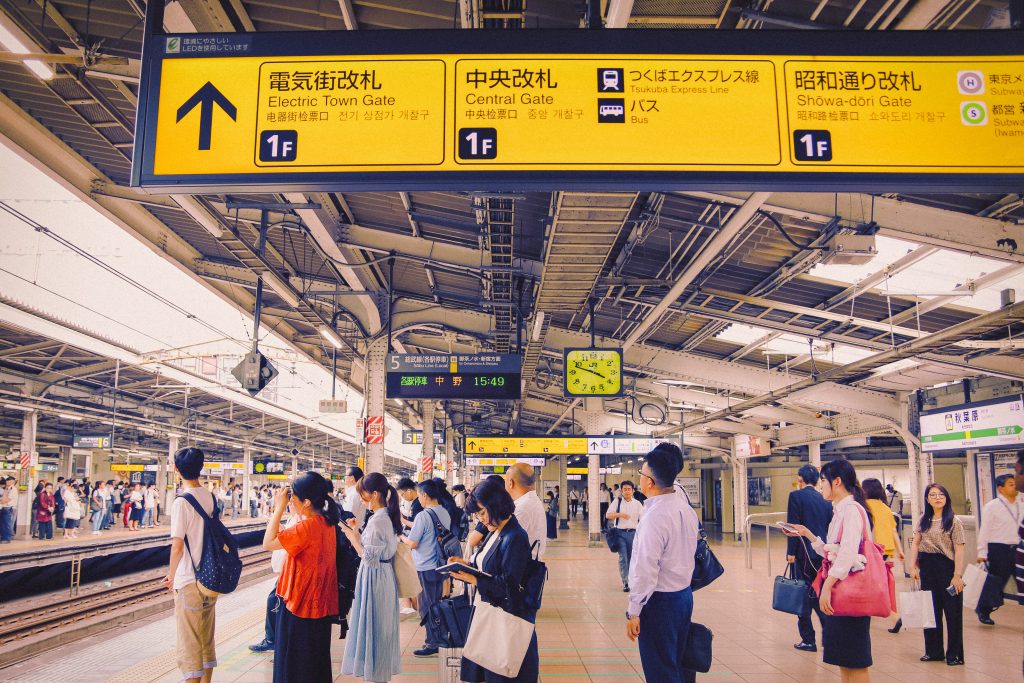
Years ago, the Japan Rail Pass was an easy recommendation for almost everyone. Today, however, it’s much more dependent on your itinerary. If you’re visiting multiple regions and taking several long-distance Shinkansen journeys, it may still save you money. On the other hand, if you’re spending most of your time in Tokyo, Kyoto, and Osaka—or flying between regions—it may not.
Our advice? Don’t buy a rail pass simply because everyone else does. Calculate your planned train journeys first. You might be surprised. The easiest way to estimate your transportation budget is to plan your itinerary first. A traveler spending a week in Tokyo will have a much lower Japan trip cost than someone visiting Tokyo, Kyoto, Osaka, Hiroshima, and Hakone in the same amount of time.
(We’ll cover this in much greater detail in our dedicated Japan Rail Pass guide.)
Do You Need Taxis in Japan?
Honestly? Probably less often than you think. In fact, Japan’s public transportation is so efficient that many travelers go their entire trip without taking a single taxi.
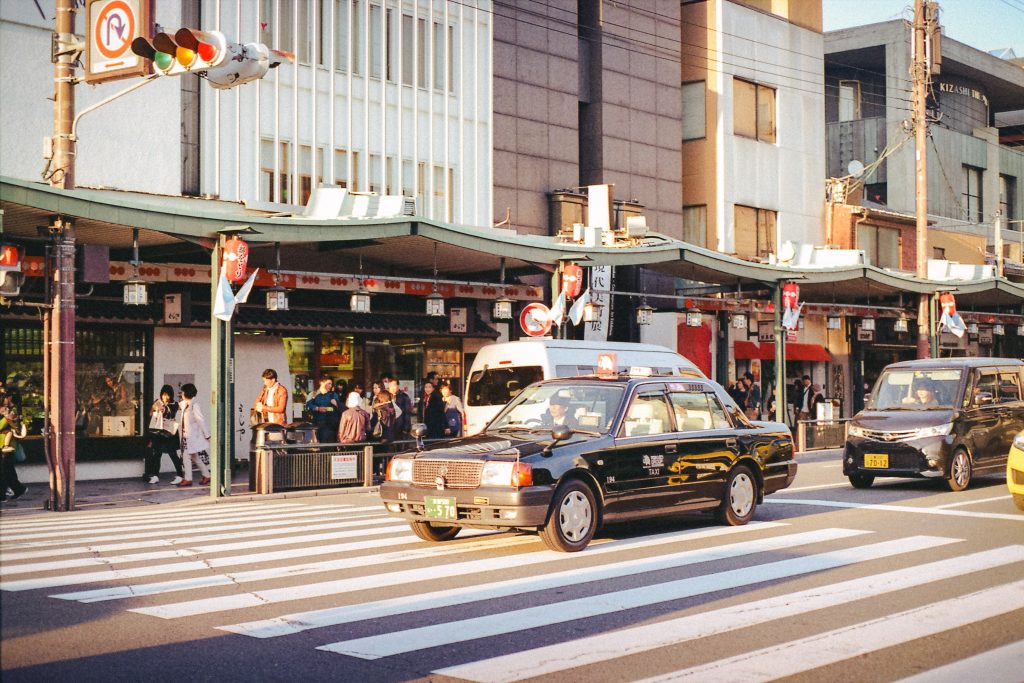
That said, taxis can be worthwhile:
- After a late-night flight
- When carrying heavy luggage
- If public transportation has stopped for the night
Otherwise, trains and subways will usually get you where you need to go faster—and for much less.
Don’t Forget to Get an IC Card
One of the first things we’d recommend after arriving in Japan is getting an IC card (or using its digital version if your device supports it). Instead of buying individual tickets for every train or subway ride, you simply tap in and tap out. As a result, getting around becomes faster, easier, and far less stressful.
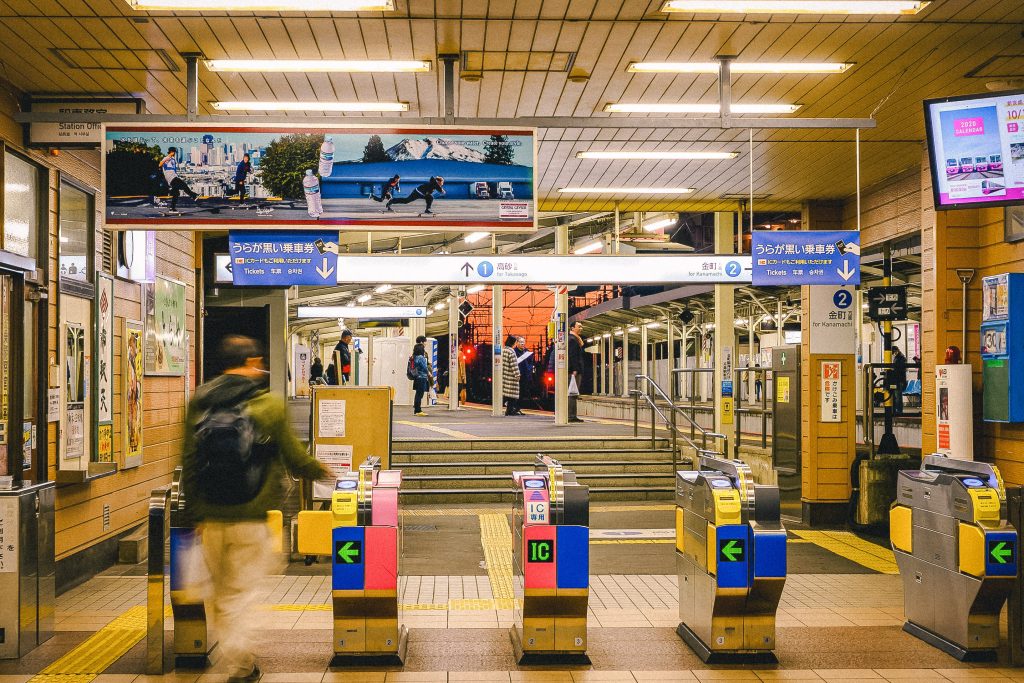
For most travelers, transportation ends up costing less than accommodation and only slightly more than food. Understanding this helps you allocate your Japan travel budget more effectively before you even book your flights or hotels.
Our Recommendation
For most first-time visitors, budget around $15–25 per day for transportation, excluding major intercity train journeys.
If your itinerary includes cities like Tokyo, Kyoto, and Osaka, public transportation will likely be one of the easiest—and most enjoyable—parts of your trip. Because after your first few rides, you’ll realize something. The train isn’t just how you get from one attraction to another; it’s part of the experience itself.
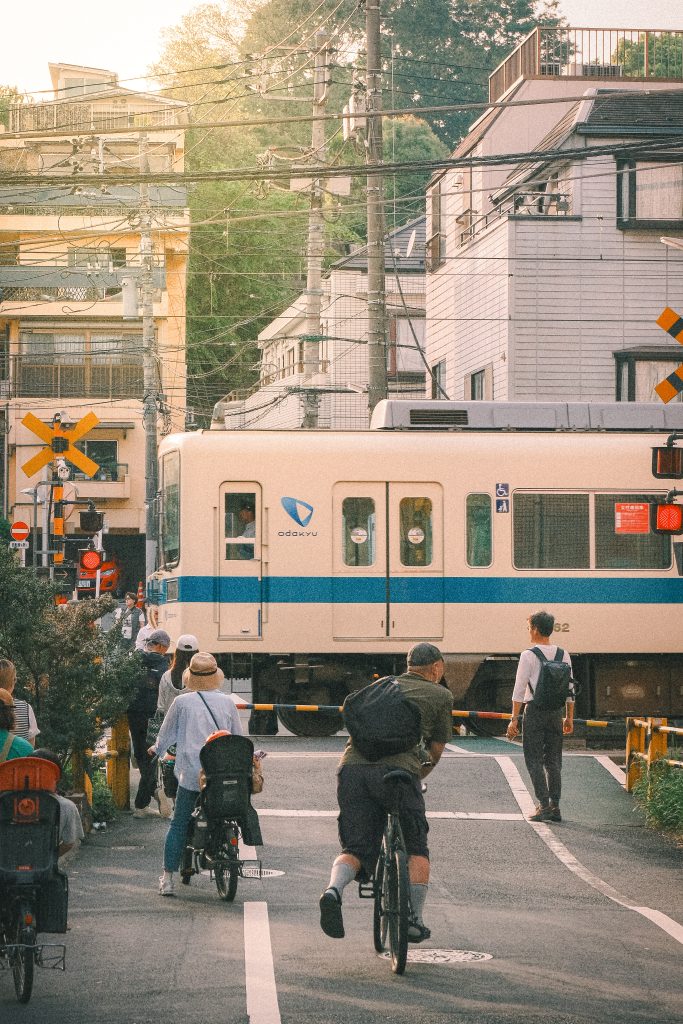
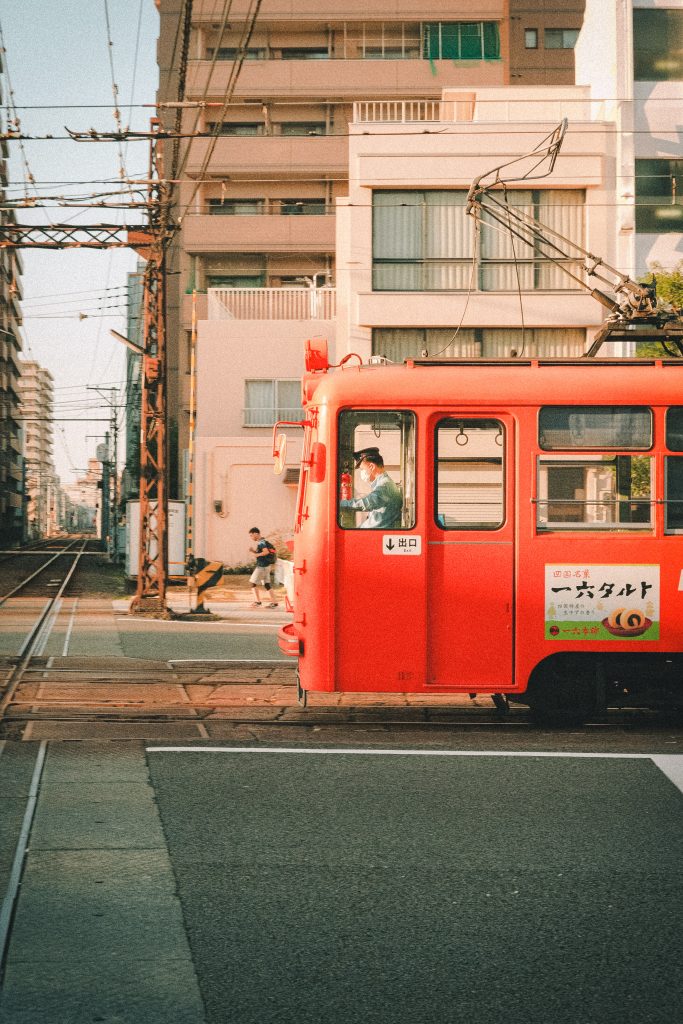
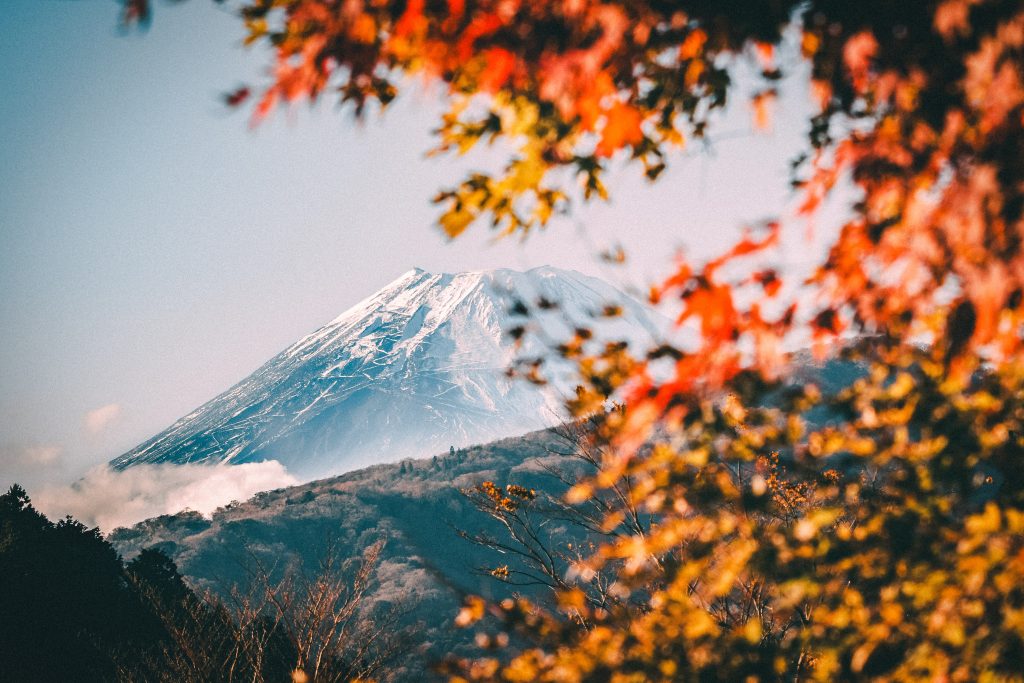
Watching Tokyo’s skyline glide past your window. Stepping off a quiet local train into a small town you’ve never heard of. Seeing Mount Fuji suddenly appear in the distance. Sometimes, the journey becomes one of the memories you treasure most.
How Much Do Attractions Add to Your Japan Trip Cost? The Best Experiences Aren’t Always the Most Expensive
When people picture Japan, they often imagine expensive attractions and admission tickets adding up quickly. However, the reality is refreshingly different. Some of Japan’s most unforgettable experiences are completely free.
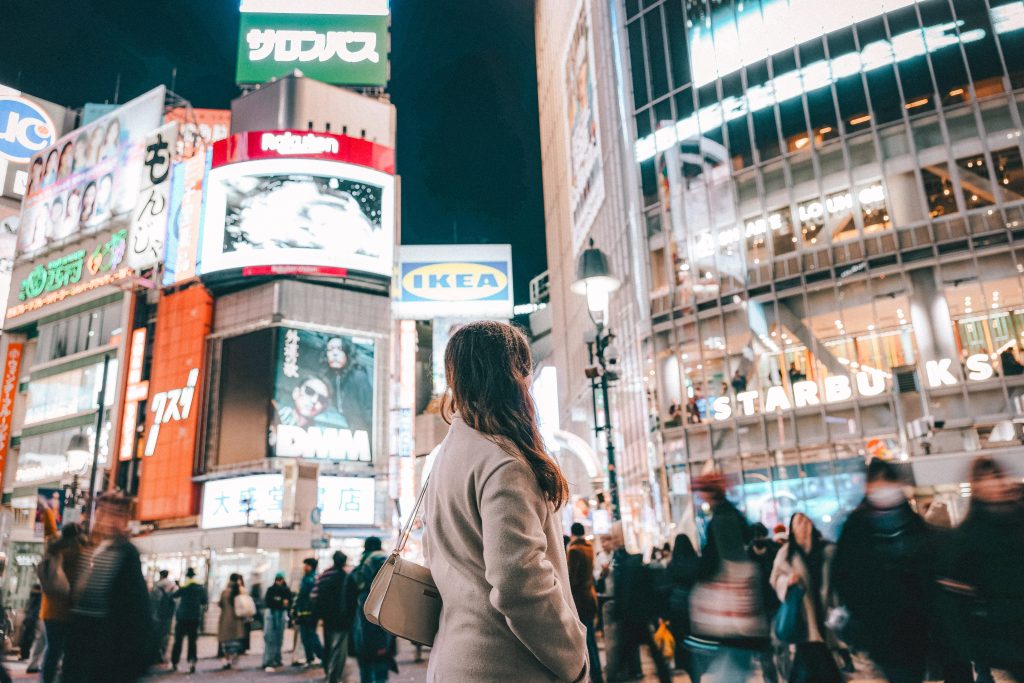
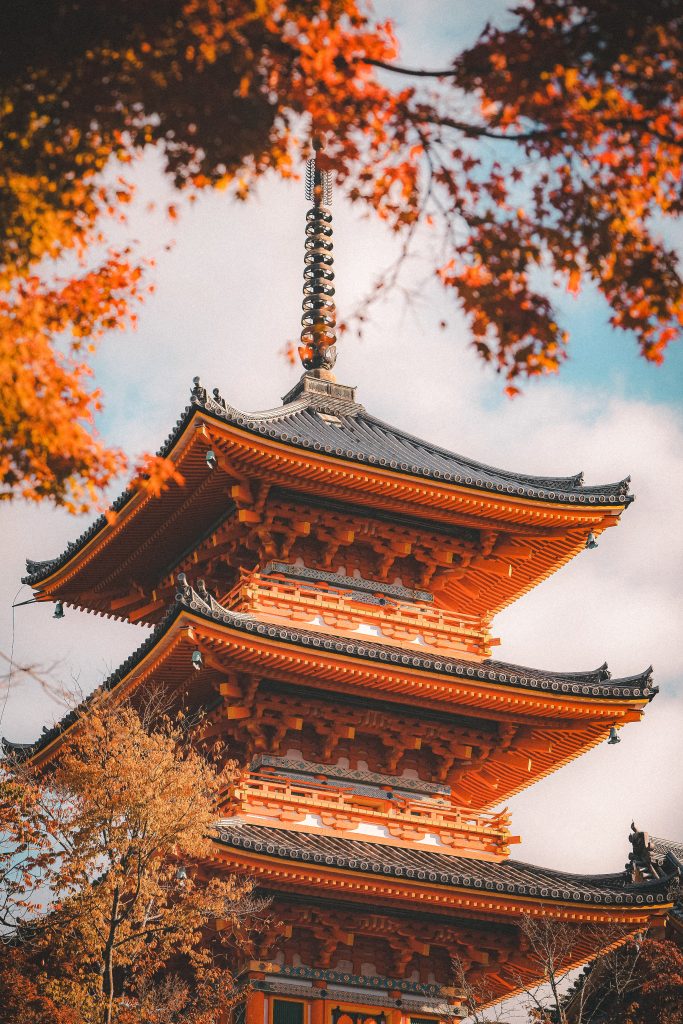
Watching the organized chaos of Shibuya Crossing, walking beneath thousands of vermilion torii gates at Fushimi Inari, getting lost in Kyoto’s historic streets before the tour buses arrive, browsing a tiny neighborhood bookstore, watching locals gather under blooming cherry blossoms, standing quietly beside a centuries-old temple as the scent of incense fills the air.
Those moments don’t require an entrance ticket. They’re simply part of everyday life in Japan. That’s one of the reasons we love recommending Japan to first-time international travelers—you don’t have to spend a fortune to feel like you’re experiencing something extraordinary.
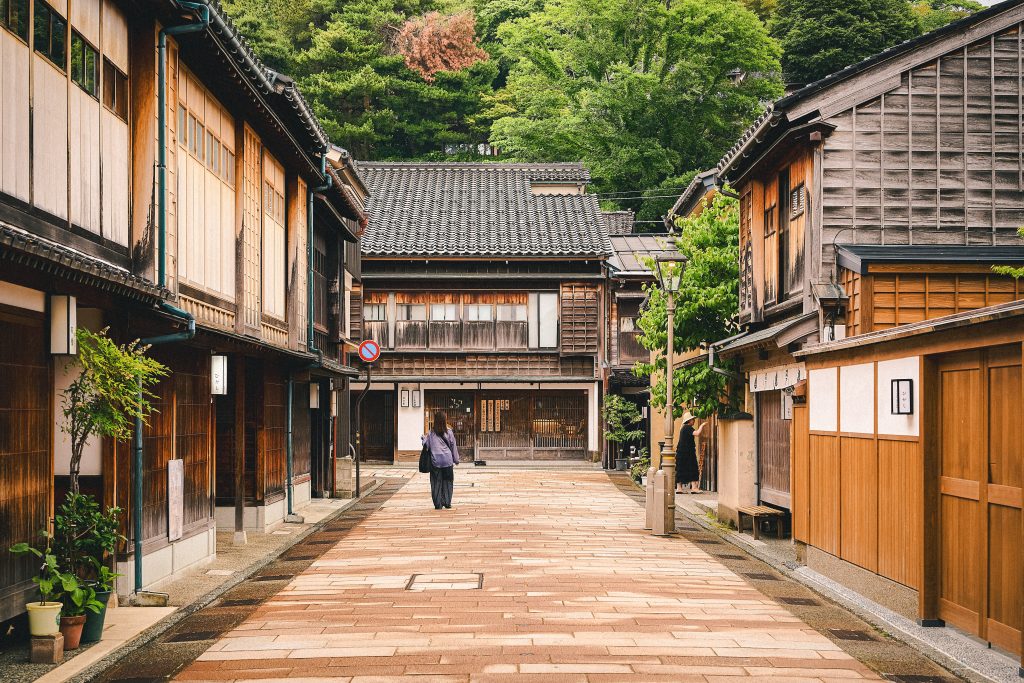
That said, there are plenty of attractions worth budgeting for, especially if you’re a fan of theme parks, observation decks, museums, or guided experiences. The key is choosing the ones that genuinely excite you, rather than trying to check every attraction off a list.
Average Attraction Costs in Japan
|
Attraction |
Average Cost |
|---|---|
|
Temples & Shrines |
Free – $5 |
|
Gardens |
$3–8 |
|
Museums |
$5–15 |
|
Observation Decks |
$15–30 |
|
TeamLab Exhibitions |
$25–35 |
|
$55–75+ |
|
|
$60–90+ |
|
|
Guided Walking Tours |
$20–60 |
|
Tours |
$60–180 |
How Much Should You Budget for Attractions in Japan?
Ultimately, this depends on the kind of traveler you are. Some people are happiest wandering neighborhoods with no itinerary. Others want to visit every museum, observation deck, and theme park they can fit into a two-week trip. Most travelers fall somewhere in between. Here’s a realistic estimate.
|
Travel Style |
Attraction Budget (Per Day) |
|---|---|
|
Budget |
$10–20 |
|
Comfortable |
$20–40 |
|
Experience-Focused |
$40–80+ |
Over a 10-day trip, that usually works out to around $200–400 per person, assuming you mix free attractions with a few paid highlights.
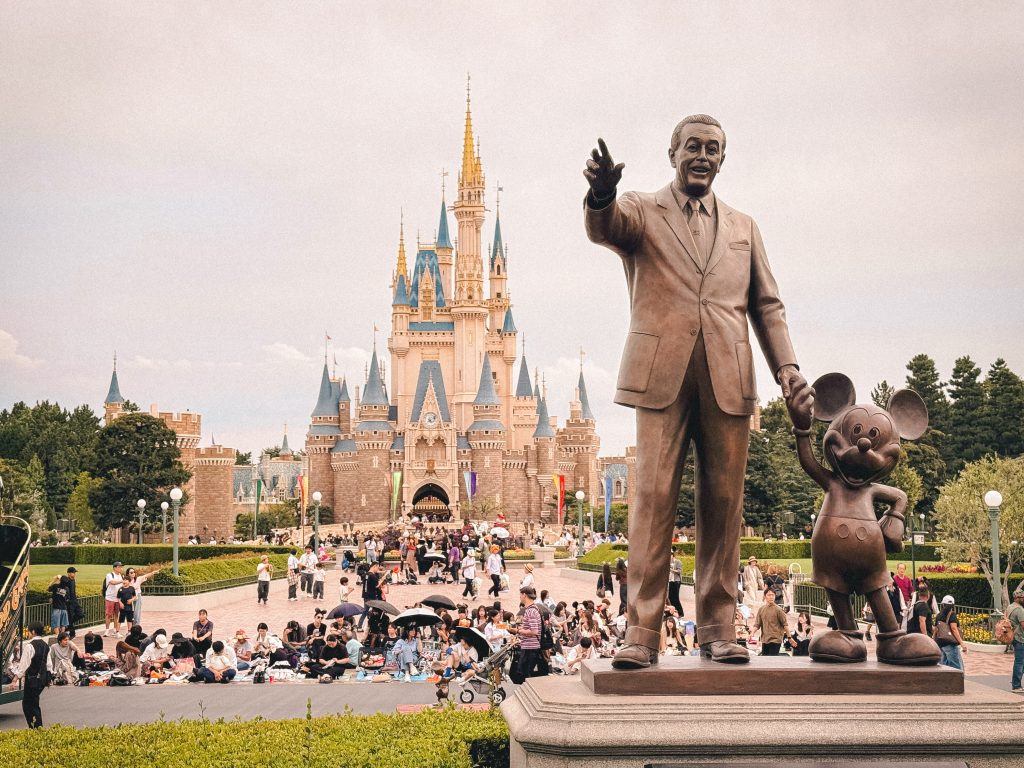
If you’re wondering how much does a trip to Japan cost, attractions are one of the easiest expenses to adjust. Choosing a few paid highlights while enjoying Japan’s many free temples, parks, and neighborhoods can significantly reduce your overall Japan trip cost without making the trip feel incomplete.
Our Recommendation
Rather than trying to visit everything, choose three to five “must-do” experiences that you’ll remember for years. Maybe it’s watching the sunset from Tokyo Skytree, maybe it’s spending a day at Universal Studios Japan, maybe it’s taking a cooking class in Kyoto. Whatever they are, let those experiences shape your itinerary. You’ll spend less—and enjoy them far more than rushing through a packed sightseeing schedule.
Shopping in Japan: Budget for the Things You Didn’t Know You Wanted
Here’s something almost every traveler says after returning from Japan:
“I wish I’d left more room in my suitcase.”
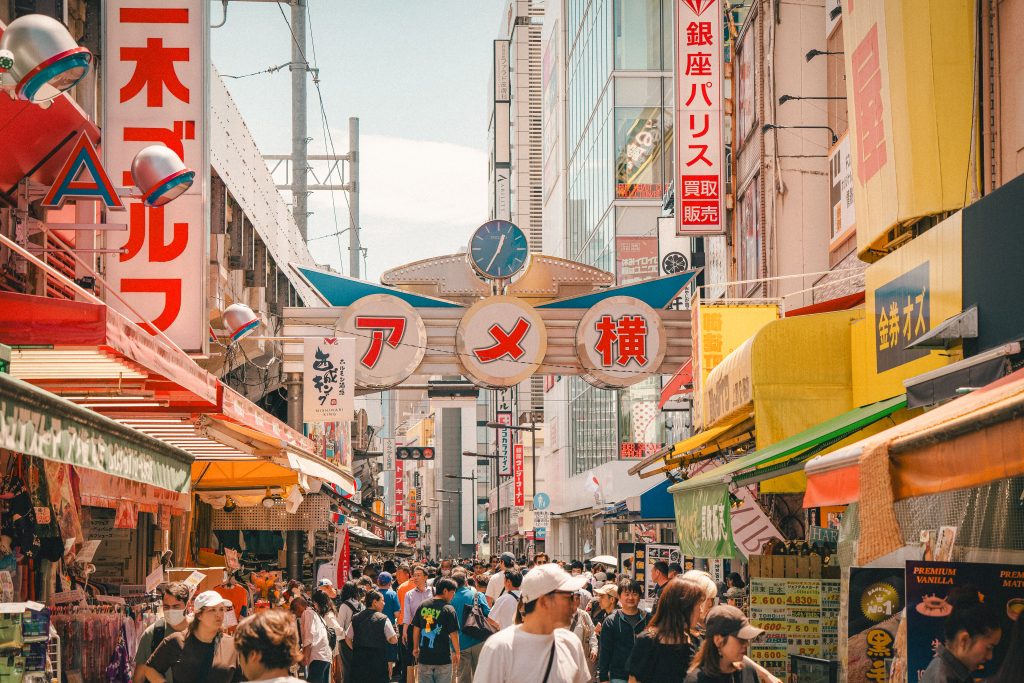
Somehow, Japan has a way of convincing you to buy things you never planned on purchasing. Maybe it’s beautifully crafted chopsticks, limited-edition Pokémon merchandise, a notebook you’ll never actually use but somehow can’t leave behind, the skincare products everyone on TikTok keeps talking about, the perfect tea set, a tiny ceramic bowl that somehow survived the flight home, or perhaps you’ll walk into Don Quijote “just to look” …and leave an hour later wondering how your shopping basket became so full. It happens to the best of us.
What Does Shopping in Japan Cost?
|
Item |
Average Price |
|---|---|
|
Souvenirs |
$5–30 |
|
Anime Merchandise |
$10–150+ |
|
Japanese Cosmetics |
$10–60 |
|
Clothing |
$20–120 |
|
Electronics |
Varies |
|
Snacks to Take Home |
$10–50 |
How Much Should You Budget for Shopping?
This is one of the hardest parts of any Japan budget because everyone’s priorities are different. Therefore, there isn’t one perfect shopping budget for every traveler. Some travelers spend less than $50. Others happily spend more on shopping than they do on accommodation. A realistic range for most visitors is:
|
Shopping Style |
Suggested Budget |
|---|---|
|
Minimal |
$50–100 |
|
Average |
$200–500 |
|
Shopping Enthusiast |
$700+ |
If shopping is one of the reasons you’re visiting Japan, give yourself permission to budget for it in advance. That way, you can enjoy your purchases without worrying about whether you’re overspending. It’s much easier to enjoy buying something special when you’ve already planned for it.
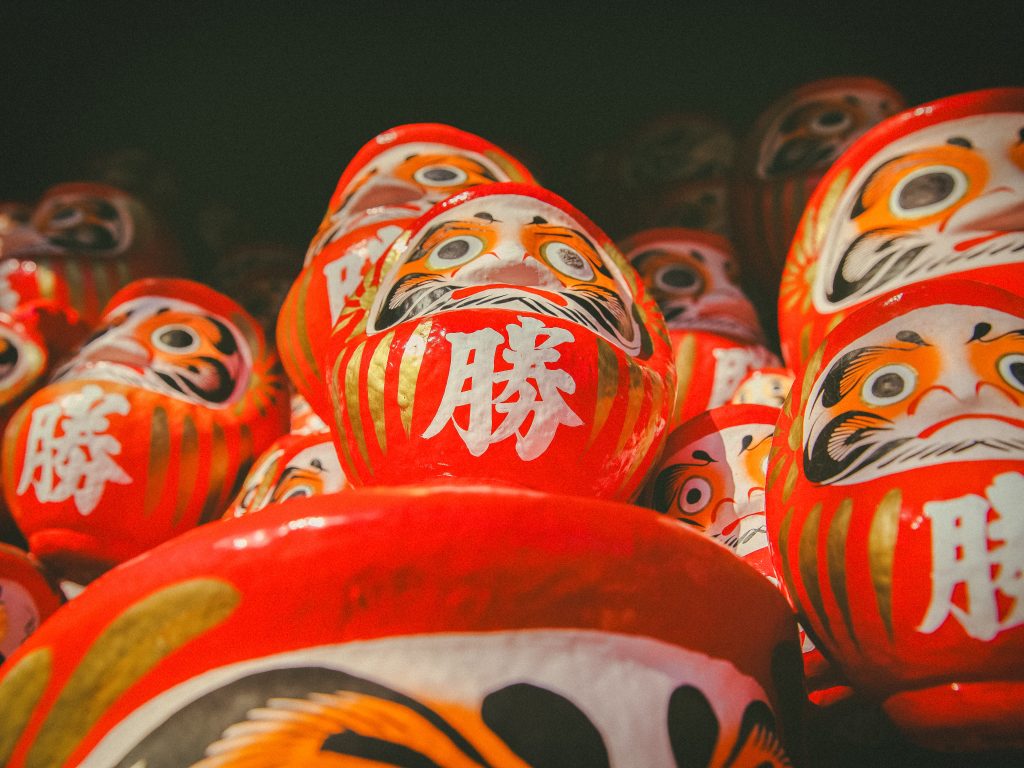
Shopping is one of the most personal parts of any Japan travel budget. Some visitors leave with a single souvenir, while others return home with an extra suitcase. Planning ahead helps keep your overall trip budget realistic.
Don’t Forget Extra Luggage
Many travelers arrive with one suitcase… and leave with two. If you think you’ll be shopping, consider:
- Packing a foldable duffel bag.
- Leaving extra room in your suitcase.
- Checking your airline’s baggage allowance before you fly home.
Future you will be grateful.
Hidden Costs That Can Increase Your Japan Trip Cost
When people calculate the cost of a trip to Japan, they usually remember the obvious expenses: hotels, food, transportation, and attractions. However, it’s the smaller costs that quietly add up over two weeks. None of them are particularly expensive on their own. Together? They can easily add a few hundred dollars to your overall budget. Let’s make sure that doesn’t happen.
These smaller expenses rarely ruin a vacation, but they can make your Japan trip cost noticeably higher if you don’t account for them before you travel.
1. Laundry
If you’re traveling for more than a week, you’ll probably do laundry at least once. Fortunately, it’s inexpensive. Most hotels, hostels, and laundromats have self-service machines.
Average cost: Around $4–8 per load, including detergent and drying.
2. Luggage Forwarding
One of Japan’s best-kept travel secrets is its luggage forwarding service. Instead of dragging heavy suitcases through crowded train stations, you can have your luggage delivered directly to your next hotel.
It’s incredibly reliable. In fact, once you’ve tried it, it’s hard to go back. For many travelers, it’s money very well spent.
Average cost: Around $12–25 per suitcase, depending on size and distance.
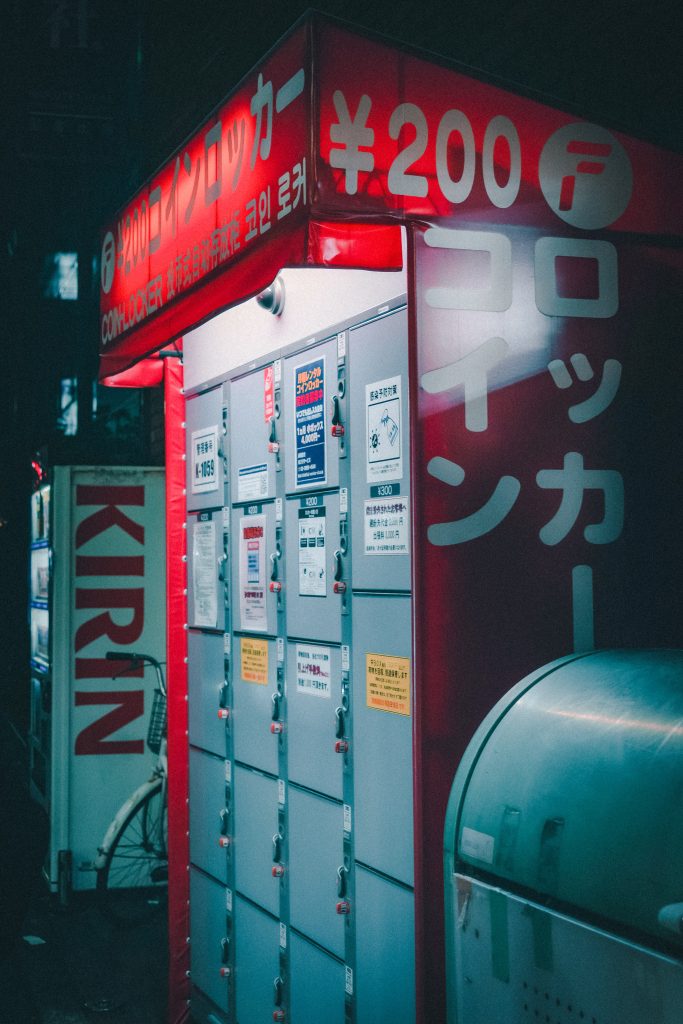
3. Coin Lockers
Exploring a city before hotel check-in? Fortunately, Japan’s coin lockers are everywhere, making them perfect for storing luggage while you explore.
Average cost: Around $3–8, depending on locker size.
4. Cash Withdrawal Fees
Although Japan has become much more card-friendly in recent years, you’ll still want to carry some cash. Some smaller restaurants, temples, local shops, and rural areas still prefer it. Depending on your bank, international ATM withdrawals may include:
- ATM operator fees
- Currency conversion fees
- Foreign transaction fees
Using a travel-friendly debit or credit card can help reduce these costs.
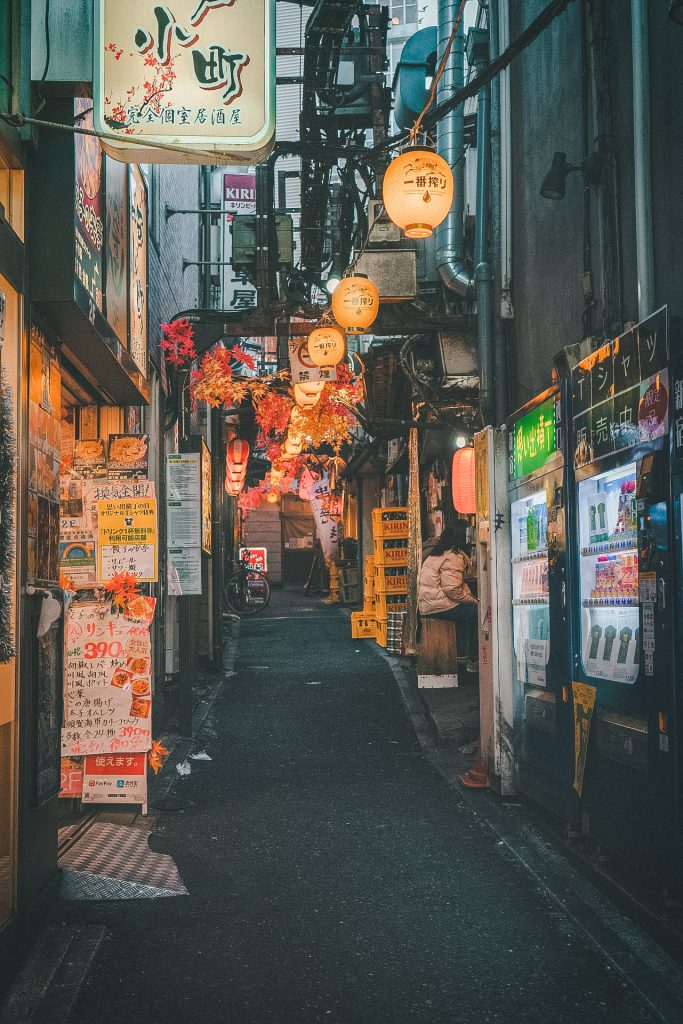
5. Vending Machines (Yes, Really)
You’ll see them everywhere: on busy streets, at train stations, outside apartment buildings, and in quiet villages. Japan’s vending machines are famous for good reason: cold drinks in summer. Hot coffee in winter, sports drinks after a long day of walking.
At roughly $1–2 per drink, they don’t seem expensive. However, buying three or four drinks a day for ten days can add another $40–80 to your budget.
6. Convenience Store Snacks
You stopped for one onigiri, then a matcha dessert caught your eye, then a seasonal KitKat flavor, then a bottled tea; small purchases feel harmless. Until you realize you’ve spent $15–20 on snacks without noticing.
We’re not saying you shouldn’t enjoy them. Quite the opposite. In fact, trying seasonal snacks is part of the fun. Just remember to include them in your daily budget.
7. Umbrellas and Rain Gear
Japan’s weather can change quickly, especially during the rainy season. The good news? Affordable umbrellas are sold almost everywhere. The bad news? You probably weren’t planning to buy one.
Budget: Around $5–10.
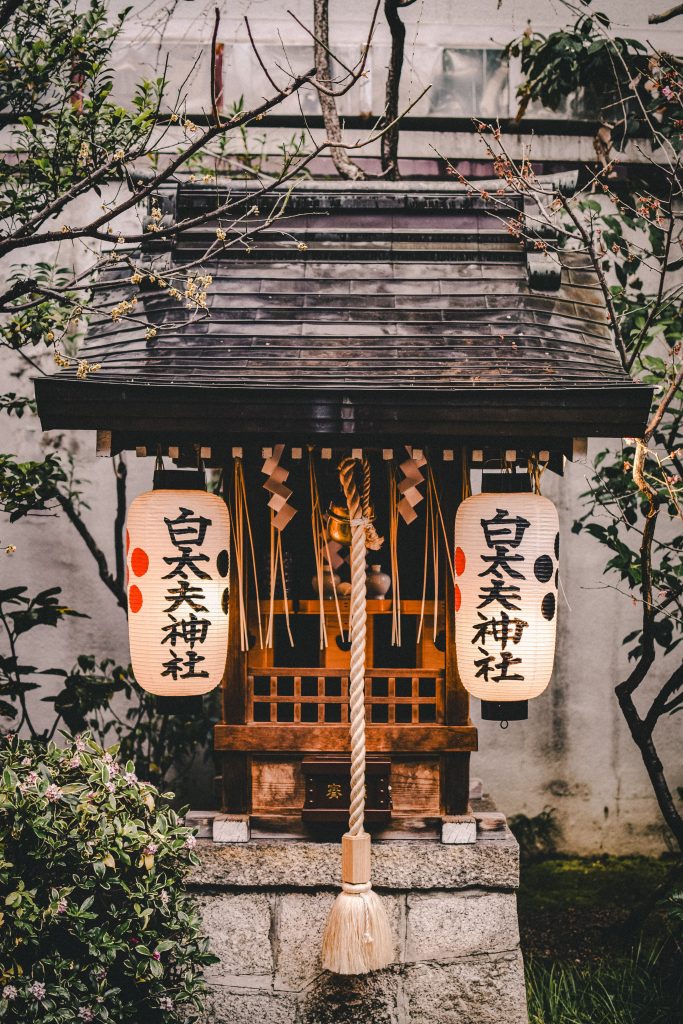
8. Temple Donations & Omikuji
Many temples and shrines are free to visit, but you might find yourself wanting to:
- Make a small donation.
- Buy an omamori (good luck charm).
- Draw an omikuji fortune.
- Collect a beautiful goshuin temple stamp in a special book.
These aren’t necessary expenses. But they’re meaningful souvenirs and memorable experiences.
Budget: Around $20–50 throughout your trip if you’re interested.
Build a Small Buffer into Your Japan Travel Budget
One of the best budgeting tips we can give you is surprisingly simple: don’t budget down to your last dollar.
No matter how carefully you plan, unexpected expenses happen. Maybe you discover a restaurant you can’t resist, or you decide to book a last-minute tour, or maybe you find the perfect souvenir for someone back home.
Instead of stressing every time you spend a little extra, build in a small cushion from the start. We recommend setting aside an extra 10–15% of your total budget for unexpected expenses. Think of it as your “peace of mind fund.”
If you don’t use it, fantastic—you’ve come home under budget. However, if you do, you’ll be grateful it was there.
Japan Trip Cost Breakdown (10-Day Mid-Range Trip)
By now, we’ve covered the biggest categories that shape the cost of your trip. Here’s what a realistic 10-day Japan trip could look like for a comfortable mid-range traveler, excluding international flights and personal shopping. (excluding international flights).
|
Expense |
Estimated Cost |
|---|---|
|
Accommodation |
$1,200–1,800 |
|
Food & Drinks |
$400–600 |
|
Transportation |
$150–300 |
|
Attractions |
$200–400 |
|
Hidden Costs & Miscellaneous |
$150–250 |
|
Estimated Total |
$2,100–3,350 |
For most first-time visitors, this represents a realistic balance between comfort and value. Travelers who stay in hostels or budget hotels can spend considerably less, while luxury travelers should expect their Japan trip cost to be much higher. Remember, this isn’t a target—it’s a framework; your total depends entirely on how you choose to travel. Some travelers will spend much less; others will happily spend far more.
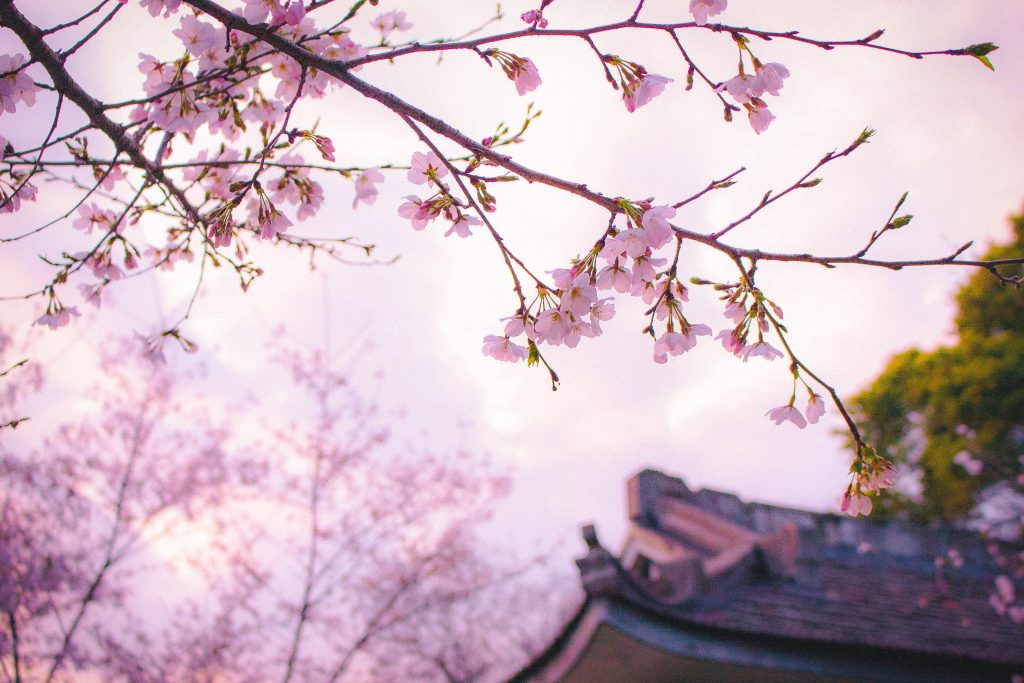
And that’s the beauty of Japan; it doesn’t demand that you travel one way. It simply gives you the freedom to create the trip that feels right for you.
Next up: We’ll put all these numbers into real-life scenarios. Whether you’re traveling solo, planning a romantic getaway, taking the family, working remotely, or celebrating a honeymoon, we’ll break down exactly how much each type of trip is likely to cost—and what that budget actually looks like day by day.
Real-Life Japan Trip Cost Examples for Every Type of Traveler
By this point, you probably have a rough idea of what things cost in Japan. However, numbers on their own don’t always help. Knowing that a hotel costs around $150 a night or that ramen is usually under $12 is useful—but it still leaves one big question unanswered:
“What would my trip actually cost?”
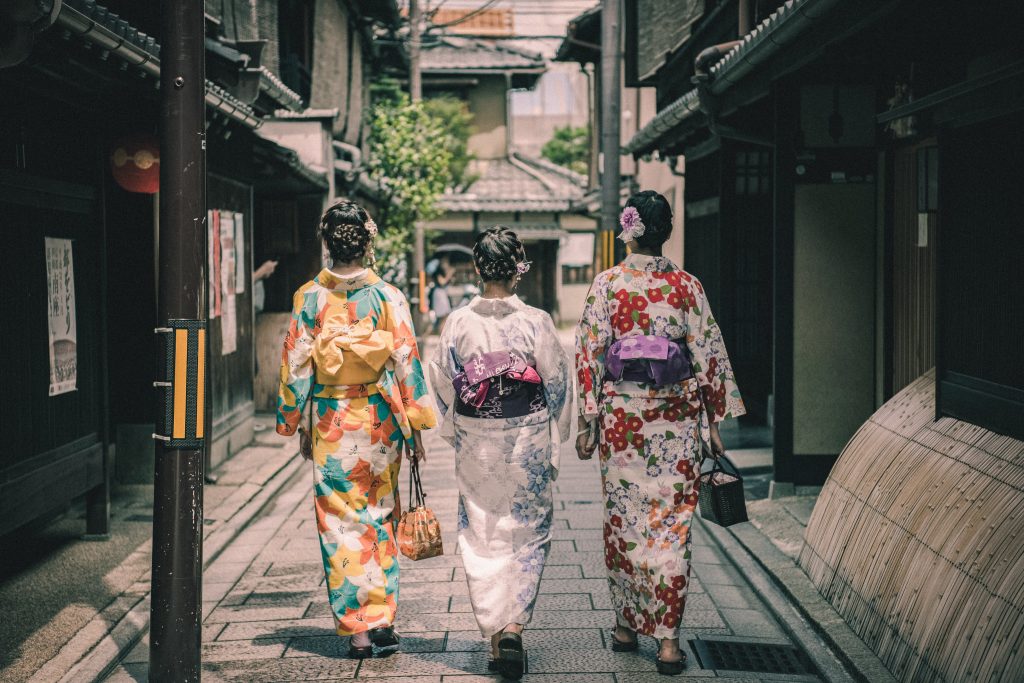
Let’s make it real. Instead of talking about abstract budgets, let’s imagine five different travelers. That way, you can see how these numbers translate into an actual trip. Or maybe you’ll realize you’re somewhere in between. Either way, these examples will help you build a budget that feels realistic—not overly optimistic or unnecessarily expensive.
Japan Trip Cost for Solo Travelers
“I’d rather spend my money on experiences than luxury hotels.”
There’s something incredibly freeing about traveling alone in Japan. A solo trip is often the easiest way to control your Japan travel budget because every spending decision is entirely your own. You can spend an hour photographing a quiet alley in Kyoto. Jump on a train at the last minute, eat wherever smells amazing, change your plans without asking anyone else.
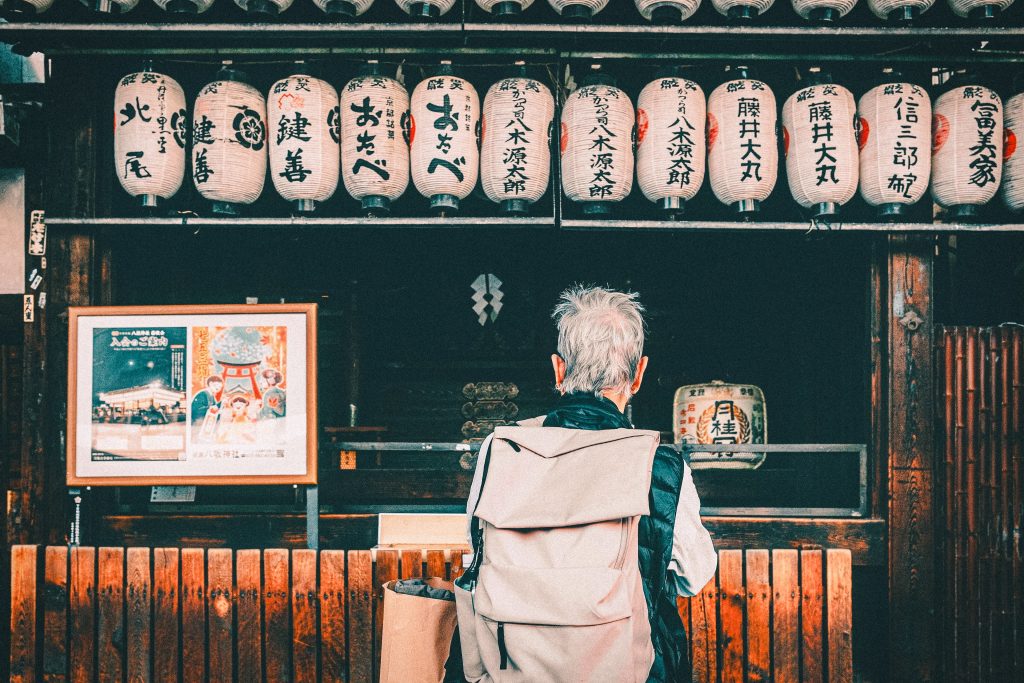
Japan is also one of the easiest countries in the world for solo travel. Thanks to its excellent public transportation, safety, and abundance of single-person restaurants and accommodations, traveling alone can be surprisingly easy. If you’re traveling solo, you’ll probably stay in hostels, capsule hotels, or business hotels while mixing free attractions with a few memorable experiences.
Typical Daily Budget
|
Expense |
Average Cost |
|---|---|
|
Accommodation |
$60 |
|
Food |
$40 |
|
Transportation |
$20 |
|
Attractions |
$20 |
|
Miscellaneous |
$15 |
|
Daily Total |
Around $155 |
Estimated Trip Cost
|
Trip Length |
Estimated Budget |
|---|---|
|
7 Days |
$1,085 |
|
10 Days |
$1,550 |
|
14 Days |
$2,170 |
What This Budget Gets You
- Private room in a business hotel or quality hostel
- Delicious local restaurants every day
- Plenty of sightseeing
- Convenient train travel
- A little room for shopping and spontaneous experiences
Japan Trip Cost for Couples
“We want a comfortable trip without constantly worrying about money.”
This is probably the most common type of Japan trip. You want comfortable hotels, great food, and a few unforgettable splurges. But you’re also mindful of your budget. The good news? Traveling as a couple often makes Japan surprisingly good value because accommodation costs are shared. As a result, couples can sometimes enjoy a higher level of comfort without doubling every expense.
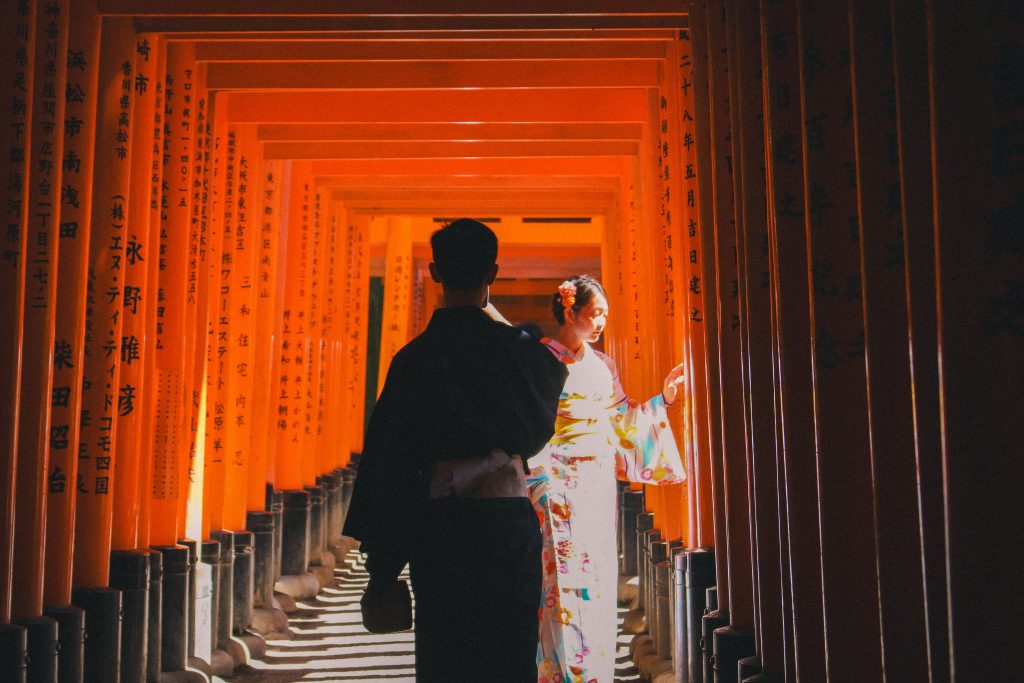
For many couples, sharing accommodation makes the overall cost of a trip to Japan surprisingly affordable compared with many destinations in Western Europe or North America.
Typical Daily Budget (Per Couple)
|
Expense |
Average Cost |
|---|---|
|
Accommodation |
$170 |
|
Food |
$90 |
|
Transportation |
$45 |
|
Attractions |
$50 |
|
Miscellaneous |
$30 |
|
Daily Total |
Around $385 |
Estimated Total Cost
|
Trip Length |
Per Couple |
|---|---|
|
7 Days |
$2,695 |
|
10 Days |
$3,850 |
|
14 Days |
$5,390 |
We’d Recommend…
Spend most nights in comfortable business or mid-range hotels. Then book one night in a traditional ryokan.
Trust us. Years from now, you’ll probably remember that evening soaking in an onsen more vividly than the hotel where you spent the rest of your trip. Sometimes one carefully chosen splurge creates memories that last a lifetime.
Japan Trip Cost for Families
“We want an unforgettable family vacation without completely emptying our savings account.”
Traveling as a family changes everything. You’re no longer budgeting for one person; you’re thinking about larger hotel rooms, extra train tickets, more meals, and perhaps even a slower pace with fewer city changes.
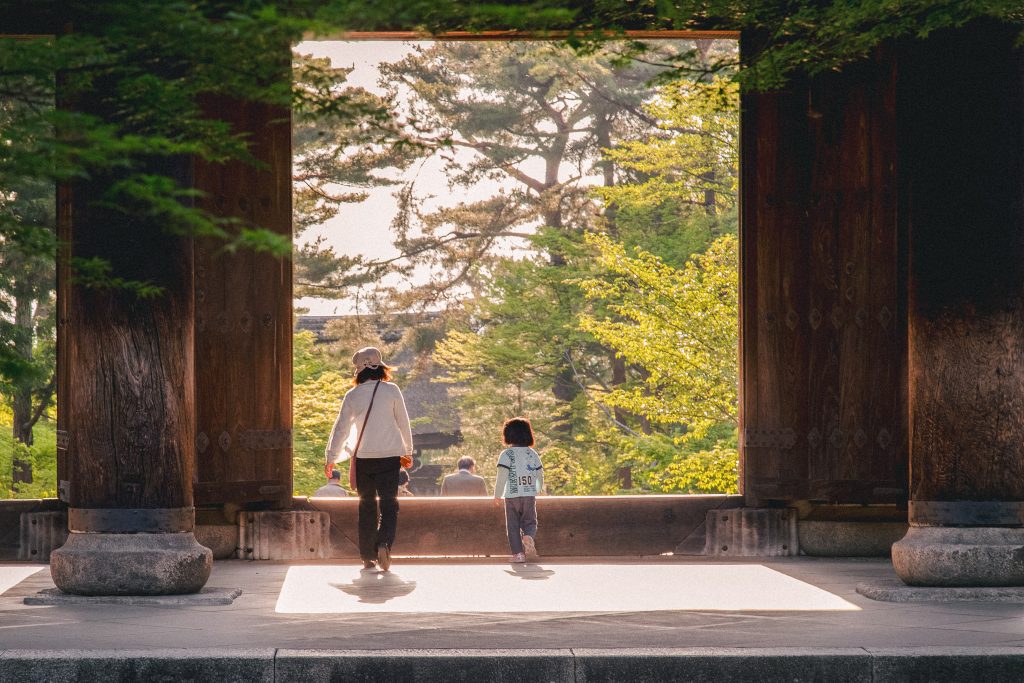
The good news is that Japan is very family-friendly, with clean public spaces, easy transportation, safe neighborhoods, and attractions for all ages. It may not be the cheapest family vacation you’ll ever take—but it’s one many families say was worth every penny.
Although family travel naturally costs more, Japan’s excellent public transportation and abundance of free attractions help keep expenses more manageable than many people expect.
Typical Daily Budget
|
Expense |
Average Cost |
|---|---|
|
Accommodation |
$300 |
|
Food |
$180 |
|
Transportation |
$80 |
|
Attractions |
$120 |
|
Miscellaneous |
$50 |
|
Daily Total |
Around $730 |
Estimated Family Budget
|
Trip Length |
Family of Four |
|---|---|
|
7 Days |
$5,110 |
|
10 Days |
$7,300 |
|
14 Days |
$10,220 |
Money-Saving Tip
Instead of changing hotels every couple of days, consider staying longer in one city and taking day trips.
Not only will you save money on transportation, but you’ll also spend less time packing and unpacking—and more time enjoying your vacation together.
Japan Honeymoon Budget
“We’ve been dreaming about this trip for years.”
Some trips are vacations. However, a honeymoon is different. It’s one of those journeys you’ll tell stories about for decades.
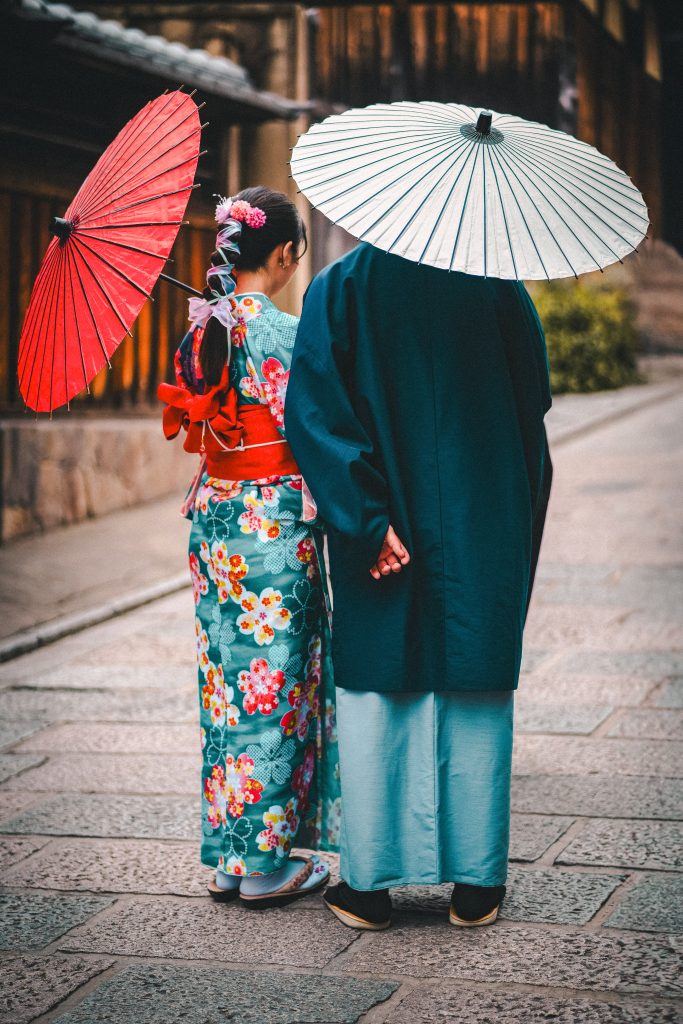
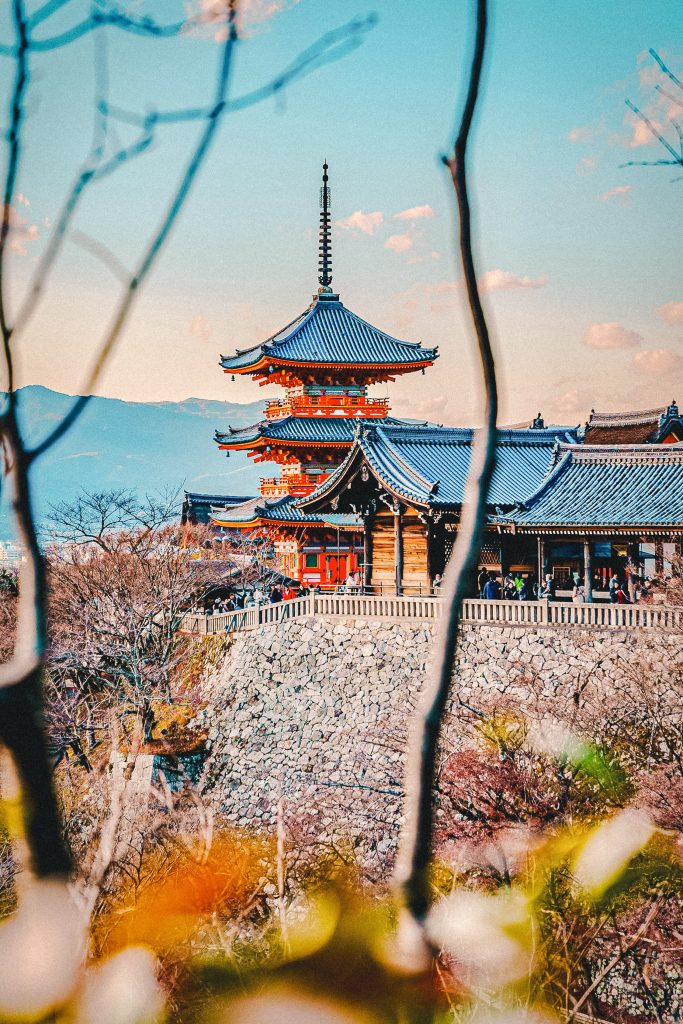
The tiny restaurant where you accidentally ordered something completely unfamiliar. The ryokan where you watched the sunrise from your private hot spring. The quiet walk beneath thousands of lanterns after dinner. This isn’t the trip where we recommend counting every dollar.
Instead, think about spending intentionally. More importantly, choose experiences you’ll remember long after you’ve forgotten the hotel bill.
Typical Daily Budget (Per Couple)
|
Expense |
Average Cost |
|---|---|
|
Luxury Accommodation |
$450 |
|
Food |
$150 |
|
Transportation |
$60 |
|
Attractions & Experiences |
$120 |
|
Miscellaneous |
$50 |
|
Daily Total |
Around $830 |
Estimated Honeymoon Budget
|
Trip Length |
Per Couple |
|---|---|
|
7 Days |
$5,810 |
|
10 Days |
$8,300 |
|
14 Days |
$11,620 |
| Trip Length | Per Couple |
|---|---|
| 7 Days | $5,810 |
| 10 Days | $8,300 |
| 14 Days | $11,620 |
Our Recommendation
If you’re celebrating a honeymoon or anniversary, don’t spread your budget across dozens of small upgrades. Instead, choose one or two unforgettable experiences. Maybe it’s:
- A luxury ryokan with a private onsen.
- A Michelin-star dinner.
- A scenic helicopter ride.
- A professional kimono photoshoot in Kyoto.
Those are the memories you’ll still be talking about years from now.
Japan Budget for Digital Nomads and Slow Travelers
“I’m staying longer, so I need to keep my daily costs reasonable.”
Not everyone visits Japan for just one or two weeks. Some travelers stay for a month or longer. If that’s you, your spending naturally changes.

You’ll probably: cook occasionally, do laundry regularly, visit fewer paid attractions, take life at a slower pace, shop at local supermarkets, and even find your favorite neighborhood café.
Eventually, Japan begins to feel less like a vacation and more like home.
Typical Daily Budget
|
Expense |
Average Cost |
|---|---|
|
Accommodation |
$80 |
|
Food |
$30 |
|
Transportation |
$15 |
|
Leisure |
$10 |
|
Miscellaneous |
$15 |
|
Daily Total |
Around $150 |
Generally, the longer you stay, the lower your average daily costs often become.
Which Japan Travel Budget Fits You Best?
One thing we’ve learned from talking to travelers is that very few people fit perfectly into one category. In fact, most travelers fall somewhere between two or more budget styles. Maybe you’re traveling like a budget backpacker …except you’ve been dreaming about one luxury ryokan for years.
Maybe you’re planning a comfortable couple’s vacation …but you’re also determined to buy half of Tokyo’s skincare products. That’s perfectly normal. Therefore, think of these budgets as a starting point—not a rulebook.
The best trips are personal. Your budget should be too.
How to Calculate Your Japan Trip Cost
If you’re still unsure how much money to save, here’s the method we use when planning almost any trip.
Step 1: Choose your trip length
- 7 days
- 10 days
- 14 days
- Longer
Step 2: Estimate your accommodation
As we mentioned earlier, this is usually your biggest expense. Choose a realistic average—not the cheapest room you can find or the most luxurious one you wish you could book.
Step 3: Add a daily spending budget
For most travelers, these ranges work well:
|
Travel Style |
Daily Spending (Excluding Hotel) |
|---|---|
|
Budget |
$50–70 |
|
Comfortable |
$80–130 |
|
Premium |
$150–250+ |
This includes food, transportation, attractions, coffee stops, snacks, and small daily purchases.
Step 4: Create a “dream fund”
This is something we do for every major trip. Set aside $200–500 specifically for unplanned moments. Maybe you’ll discover a once-in-a-lifetime tour, or you’ll find the perfect handmade souvenir, or even you’ll walk past a tiny restaurant that wasn’t on your itinerary but ends up serving the best meal of your life.
Those unexpected moments often become the highlights of a trip. Therefore, it’s much easier to say “yes” to them when you’ve already planned for them. Once you’ve estimated each category, add them together and include a 10–15% buffer for unexpected expenses. That’s the easiest way to estimate how much a trip to Japan will cost based on your own travel style instead of relying on someone else’s budget.
Our Best Advice for Planning Your Japan Travel Budget
If there’s one thing we’d love you to remember from this guide, it’s this: Don’t build the cheapest trip you can afford. Build the best trip your budget allows.
There’s a difference. Saving money is smart. However, missing out on experiences you’ve dreamed about for years just to save a few dollars often isn’t; skip the unnecessary upgrades, choose hotels in smart locations, use Japan’s excellent public transportation, and eat where the locals eat.
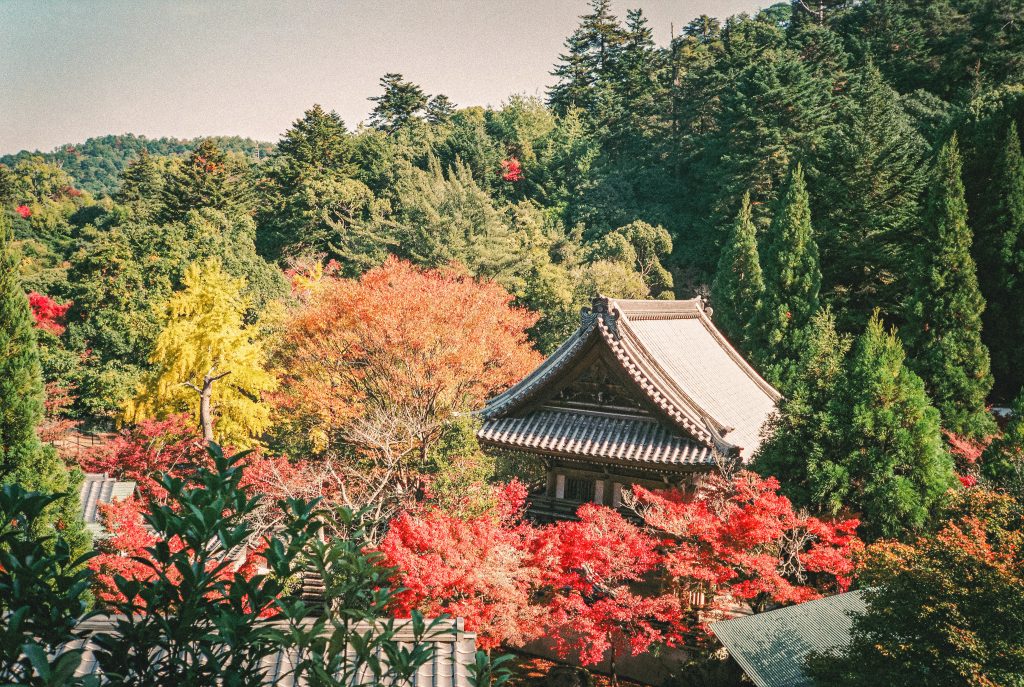
However, if there’s one experience you’ve always imagined—whether that’s staying in a mountain ryokan, watching the sunrise at Mount Fuji, or treating yourself to an unforgettable sushi dinner—make room for it. Because when you look back on your Japan adventure years from now, you probably won’t remember how much you spent. You’ll remember how it made you feel.
Whether you’re planning a budget backpacking adventure, a family vacation, a romantic honeymoon, or a luxury escape, Japan rewards thoughtful planning more than unlimited spending. By understanding where your money goes and prioritizing the experiences that matter most to you, you can create a trip that fits both your dreams and your budget.
We hope this guide has answered the question, “How much does a trip to Japan cost?” and helped you feel more confident about planning your adventure. Safe travels, and enjoy every unforgettable moment Japan has to offer.